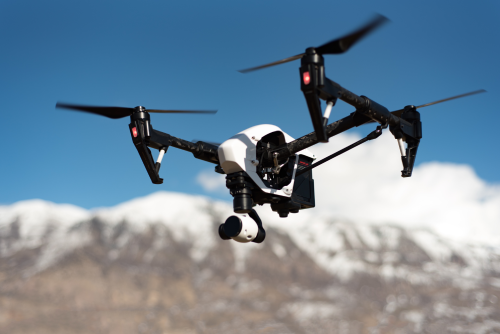
To capture monsoon drone footage safely, you have to think like a pilot first and a creator second. In India, the monsoon can give you rich greens, dramatic clouds, misty hills, and mirror-like reflections, but it also brings the hardest flying conditions for small drones: moisture, gusty wind, poor visibility, and very short weather windows.
Quick Take
- Most consumer drones are not waterproof. If rain is falling, the safest choice is usually not to fly.
- Wind is often a bigger danger than light drizzle. Sudden gusts can ruin footage and make the return flight harder.
- The best monsoon footage usually comes just after rain, not during it.
- Keep flights short, close, and simple. Slow movement looks more cinematic anyway.
- Use a dry launch spot, a clean lens, a clear home point, and extra battery margin.
- In India, always verify the latest DGCA, Digital Sky, and local restrictions before flying, especially near cities, coastlines, forests, dams, or emergency activity.
Why monsoon footage looks amazing and why it goes wrong so fast
Monsoon landscapes are naturally cinematic. Fields turn deep green, roads reflect the sky, clouds add depth, and low contrast light can look soft and beautiful. That is why this season is so tempting for drone creators.
But the same conditions create real risk.
| Monsoon challenge | What it does to your shoot | Safer response |
|---|---|---|
| Rain or drizzle | Can damage the drone, blur the lens, and affect sensors | Wait for a dry window unless your drone is specifically rated for such use and the manual allows it |
| Gusty wind | Makes footage shaky and increases battery use | Fly lower, slower, and closer to home |
| Mist and low cloud | Reduces visibility and depth perception | Avoid flying into fog, cloud, or hill valleys with moving mist |
| Humidity and temperature changes | Can fog the lens or camera glass | Let gear adjust to outdoor conditions before takeoff |
| Wet ground and mud | Causes messy takeoffs, bad landings, and dirty motors | Use a landing pad or clean dry board |
A good rule: if the weather looks dramatic enough to impress you from the ground, ask whether it is also telling you not to launch.
A simple go-or-no-go test before every monsoon flight
Before you fly, run through this five-point check.
-
Is there any active rain?
If yes, do not launch unless your drone is specifically built and rated for it, and even then stay conservative. “It is only a few drops” is how many flights go wrong. -
Is there thunder, lightning, or a storm cell nearby?
If yes, stop. Storms can build and shift faster than expected, especially in coastal and hilly regions. -
Are gusts stronger than the average wind suggests?
A weather app may show moderate wind, but monsoon gusts can be much stronger on location, especially near ridgelines, coastlines, high-rises, and open fields. -
Do you have a dry and safe takeoff and landing area?
Mud, wet terraces, parked vehicles, crowded viewpoints, and slippery rocks are bad launch spots. -
Can you keep the drone in visual line of sight?
That means you can actually see it with your own eyes, not just on the screen. In monsoon haze, this limit arrives much sooner than you think.
If even one answer feels uncertain, wait. Monsoon filming rewards patience far more than bravery.
Pre-flight planning for safer monsoon footage
Pick the right weather window
The most reliable monsoon window is often after a shower has passed, when the air is cleaner, the ground is wet, and the light is still dramatic.
Look for:
- A break in rain, not just a lighter drizzle
- Stable visibility
- Enough light for clean footage
- Wind that feels manageable at ground level and not violent aloft
Be extra careful in:
- Coastal areas in Goa, Kerala, Konkan, Odisha, and similar regions where gusts and salt spray are common
- Hill stations and valleys in the Western Ghats, Northeast, and Himalayan foothills where mist can move fast
- Urban rooftops where wind becomes turbulent around buildings
Choose a low-risk location
The safest monsoon footage often comes from ordinary places shot well:
- Open farmland with clear boundaries
- Empty lakeside viewpoints from land, not over water
- Large grounds with a clean launch area
- Quiet roads or paths without traffic or crowds
- Hill viewpoints with plenty of clearance from trees and wires
Avoid:
- Flooded zones
- Narrow valleys with moving fog
- Beaches during rough weather
- Swollen rivers and waterfalls
- Power lines, towers, bridges, and busy roads
- Rooftops with wet surfaces and unpredictable gusts
If a location needs you to “just go a little further” to make the shot work, it is probably the wrong location for a monsoon day.
Prepare the drone and accessories properly
Before leaving home, check:
- Propellers for even small cracks or chips
- Motors for smooth movement
- Battery health and charge level
- Memory card space
- Gimbal and camera cleanliness
- Firmware and compass status only if needed, not rushed at the site
Useful monsoon kit includes:
- A folding landing pad or clean flat board
- Microfiber cloths
- Silica gel packs in your bag
- A dry pouch for batteries
- Spare propellers
- A lens blower if you use filters
If your gear comes from an air-conditioned car or room, give it a few minutes to adjust to outdoor humidity before takeoff. This can reduce lens fogging.
Plan the shot list before you launch
Monsoon weather windows can be short. Do not improvise everything in the air.
Write down 3 to 5 shots only, such as:
- A slow reveal over green fields
- A top-down of wet patterns in farmland
- A gentle push-in toward a temple, fort, or tree line from a safe distance
- A side tracking shot along a ridge or shoreline from inland, not out over open water
This keeps your flight efficient and reduces risky wandering.
Set the home point and return path carefully
Your home point is the location the drone uses for automated return features. In monsoon conditions, this matters more than usual.
- Make sure the home point is correct
- Choose a return altitude that clears known obstacles
- Do not set it unnecessarily high into stronger wind or low cloud
- If you move during the shoot, update it if your drone allows and if the system supports it safely
Do not assume automatic return will solve everything. In low visibility, moving mist, or around tall trees and wires, manual control and good judgment still matter.
Camera settings that work well in monsoon light
You do not need complicated settings to get good monsoon footage. You need stable, repeatable settings.
For video, start simple
- Frame rate: 25 fps is a good default in India. Use 50 fps if you want smoother motion or slow motion later.
- Shutter speed: Try to keep it around double the frame rate for natural-looking motion blur if light allows.
- ISO: Keep it as low as possible to avoid noise in dark clouds and green landscapes.
- White balance: Set it manually instead of auto, so clips do not shift from cool to warm mid-shot.
- Color profile: If you are new, use a normal profile. If you know color grading well, a flat or log profile can hold more highlight detail.
Expose for the sky, not just the ground
Monsoon skies blow out easily. If the clouds turn into a plain white sheet, the shot loses drama.
A practical approach:
- Protect highlight detail in the clouds
- Accept slightly darker ground if needed
- Lift shadows gently in editing later
Use ND filters only when they actually help
An ND filter is basically sunglasses for your camera. It helps keep shutter speed under control in bright light.
But in the monsoon:
- Heavy ND filters are often unnecessary
- Clouds change brightness quickly
- Swapping filters in wet wind is awkward and risky
If conditions are dark and changing fast, it is better to get a clean, safe shot than chase perfect cinema settings.
Focus before the interesting move
Mist, light rain residue, and low-contrast scenes can make autofocus hunt. Before your main move:
- Clean the lens
- Focus on your subject
- Check sharpness on screen
- Then start the shot
One dirty water spot on the lens can ruin every clip in the flight.
Safe moves and shot ideas that still look cinematic
The best monsoon footage is usually calm, not aggressive. Slow movement suits the season.
Moves that work well
- Slow push-in: Great for misty tree lines, fields, forts, and buildings
- Gentle pull-back: Useful to reveal scale after rain
- Lateral slide: A side movement over wet landscapes can show texture beautifully
- Top-down hover: Excellent for paddy fields, patterned roads, courtyards, and reflections
- Small arcs instead of full orbits: Less complex and usually safer
Keep the flight profile conservative
During monsoon filming:
- Fly lower than you would on a clear summer day
- Stay closer than usual
- Avoid long flights at full speed
- Leave extra battery reserve for the return
- Watch the drone’s behavior after takeoff before heading out
If the drone is fighting the wind in a simple hover, land and reassess. Do not expect cinematic footage from a machine that is already working too hard.
Safer monsoon scenes to shoot
These usually deliver strong visuals with lower risk:
- Fresh green farmland after rainfall
- Roads and paths with wet reflective surfaces, from a safe distance and never over traffic
- Palm lines, tree canopies, and village edges in bright overcast light
- Forts, stepwells, or heritage structures from legal and respectful standoff distances
- Hills with cloud movement nearby, but not through the drone’s flight path
Shots to avoid
- Flying out over water for reflections in windy weather
- Diving through mist or fog
- Fast backward flying near trees or wires
- Low passes over crowds, markets, weddings, or traffic
- Cliffside flights in strong coastal or mountain gusts
The most dramatic monsoon shot is not worth it if recovery depends on luck.
If the weather changes mid-flight
Monsoon conditions can change in seconds. If rain starts or visibility drops:
- Stop the shot immediately.
- Turn back while you still have a clear orientation.
- Fly the shortest safe route to land.
- Land at the nearest safe spot if returning home is riskier than using a closer open area.
- Power down and dry the drone before packing it away.
Do not continue “for just ten more seconds.” That is usually when the problem becomes expensive.
After-flight care and a clean editing workflow
Monsoon flying does not end when the motors stop.
Dry and inspect the drone
After landing:
- Power off first
- Remove the battery
- Wipe the body, landing gear, and camera area gently
- Check for moisture near motors, vents, and battery contacts
- Let the drone air-dry before sealing it in a case
Never charge a battery that seems wet, dirty, unusually warm, or damaged.
Review footage with a monsoon eye
When editing:
- Reject clips with lens spots immediately
- Recover cloud detail first
- Add contrast gently, not harshly
- Be careful with green saturation so fields do not look artificial
- Use dehaze lightly; too much makes scenes look crunchy and fake
Also remember that drone audio is usually unusable because of propeller noise. If your final video needs sound, record safe ambient rain or wind atmosphere from the ground separately.
Legal and safety checks in India
Before any monsoon shoot, verify the latest official requirements for your drone, location, and purpose of operation. Rules and operational procedures can change, and some locations may have both central and local restrictions.
A practical checklist:
- Confirm current DGCA and Digital Sky requirements for your drone class and use case
- Check whether the area has airspace, local police, forest, coastal, or district restrictions
- Avoid airports, helipads, military or strategic sites, and sensitive infrastructure
- Do not fly over crowds, moving traffic, private homes in an intrusive way, or places where a failure could injure people
- Stay well clear of disaster response, flood relief, dam operations, and rescue activity unless specifically authorised
If a client asks you to capture risky footage of flood-hit areas or emergency scenes, the correct answer is usually no unless you are part of an approved operation.
Common mistakes people make with monsoon drone footage
1. Flying during rain because the sky looks “almost clear”
Rain often arrives in patches. What looks like a safe gap can close quickly.
2. Watching average wind but ignoring gusts
A drone may fly out comfortably and then struggle badly on the return.
3. Launching with a fogged or wet lens
Many beginners only notice lens spots after the flight.
4. Using the same flight plan as in dry season
Monsoon demands shorter routes, simpler shots, and larger safety margins.
5. Trusting obstacle sensors too much
Many drones see less reliably in low light, fog, uniform water surfaces, or rain-contaminated conditions.
6. Flying too far over water
A monsoon water recovery is often impossible.
7. Packing the drone away damp
Moisture left inside a case can create later problems even if the flight looked fine.
8. Chasing “storm content”
Lightning, flood zones, breaking waves, and dramatic cloud fronts are not casual creator opportunities.
FAQ
Can I fly a drone in light rain or drizzle?
For most consumer drones, the safest answer is no. Even light rain can affect electronics, motors, sensors, and the camera. If your drone has some weather resistance, check the manufacturer’s limits and stay conservative.
Is a water-resistant drone enough for monsoon shooting?
Not by itself. Water resistance does not make a drone safe in strong wind, poor visibility, fog, or salt spray. You still need a dry launch, a short flight plan, and a quick exit strategy.
What is the best time for monsoon drone footage?
Usually just after rain, during a stable break in weather. You get cleaner air, wet surfaces, richer colors, and lower risk than flying in active rain.
Which frame rate should I use in India?
For most creators, 25 fps is a strong default. Use 50 fps if you want smoother motion or plan to slow clips down in editing.
How do I stop the lens from fogging?
Let the drone adjust to outdoor temperature and humidity before flying. Keep the lens covered in the bag, avoid sudden transitions from air-conditioning to humid air, and always inspect the glass before takeoff.
Do obstacle sensors work reliably in monsoon conditions?
Not always. Low light, mist, water surfaces, and rain can reduce reliability. Treat sensors as backup help, not as permission to fly close to obstacles.
Should I use return-to-home in strong monsoon wind?
Only if it is truly the safest option. Automated return can help, but it may choose a path or altitude that is not ideal in gusty wind, low cloud, or around obstacles. Good pre-flight setup matters.
What should I do if the drone gets wet?
Land as soon as safely possible, power it off, remove the battery, dry it gently, and do not charge anything until fully dry and inspected. If water exposure was significant, service inspection is the safer choice.
Can I film flood-hit areas for social media or clients?
Be extremely careful. Such areas may involve safety risks, privacy issues, local restrictions, and active emergency operations. Unless you are specifically authorised and sure it is lawful and safe, do not do it.
The takeaway
The safest way to capture monsoon drone footage is to stop treating the rain itself as the subject and start treating the weather window as the opportunity. Wait for the break after the shower, keep the flight short and close, protect your gear, verify local rules, and let timing do the cinematic work for you.
