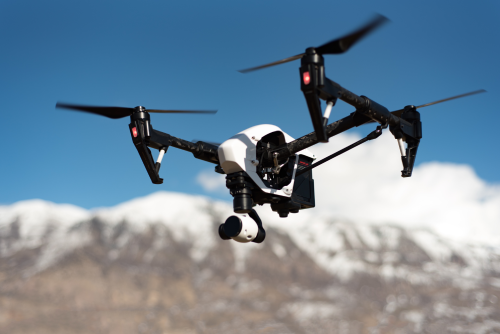
Wedding drone work can make a wedding film or album feel bigger, richer, and more cinematic, but only when it is planned well and flown safely. These drone photography tips for wedding shoots are built for real Indian wedding conditions: crowded venues, tight timelines, mixed lighting, and lots of people who do not want the drone to become the main attraction.
Quick Take
- A drone adds the most value for venue reveals, baraat or arrival coverage, couple portraits, and wide location shots.
- Plan your drone coverage with the couple, planner, and lead photographer or videographer before the event day.
- Fly early, when the venue is clean and guests have not filled the frame.
- Use slow, simple movements. A clean rise, reveal, or side track usually looks better than a flashy move.
- Do not fly directly over guests, children, performers, or sacred ceremony areas.
- Consumer drones struggle in very low light and indoors without strong positioning signals, so avoid risky night or indoor flights if you are not experienced.
- In India, always verify the latest DGCA, Digital Sky, airspace, venue, and local permission requirements before any commercial wedding shoot.
Start with the wedding story, not the drone
The biggest mistake beginners make is treating the drone as a separate camera. It is not.
A wedding drone should support the main story. That means you do not need to fly all day. You need a few strong aerial moments that add scale, context, and emotion.
For most weddings, the drone is best used for:
- The venue and location reveal
- Guest arrival or baraat entry from a safe distance
- Couple portraits in an open area
- A high wide of the ceremony space before or after key rituals
- Sunset or blue-hour exterior shots
- A closing pull-back or rise shot
If you try to cover every moment with the drone, you will miss timing, annoy the ground team, and increase risk.
Build a realistic wedding drone shot list
A simple shot list keeps you focused and avoids unnecessary flights.
| Wedding moment | Best drone shot | Ideal time | Main caution |
|---|---|---|---|
| Venue reveal | High wide static or slow push-in | Before guests arrive | Watch for wires, trees, and restricted airspace |
| Decor overview | Gentle top-down or angled wide | Before people enter frame | Avoid prop wash on flowers, fabric, diyas |
| Baraat or arrival | Elevated side track or wide establishing shot | As procession approaches open area | Never fly above the crowd |
| Couple portraits | Slow orbit, reveal, or pull-back | Golden hour or soft light | Brief the couple so they hold position |
| Ceremony area | High wide from edge of venue | Before or after the ritual, or only if pre-planned and safe | Do not disturb sacred moments |
| Reception exterior | Twilight reveal or rise shot | Blue hour | Low-light limitations become serious |
| Grand exit | Pull-back or rising wide | In a controlled, open area | Avoid fireworks, sparklers, and crowd congestion |
Scout the venue like a professional
A good scout solves half the problems before take-off.
What to check before the event
-
Airspace status Check the latest official airspace map and regulatory requirements before the shoot. Do not assume a resort, farmhouse, beach, palace, or destination wedding venue is automatically clear to fly.
-
Venue permission Get approval from the venue management and event organiser. If you are hired by the couple but the venue says no drone operations, do not fly.
-
Take-off and landing area Choose a clean, controlled spot away from guests, decor, cables, parked cars, and food stations.
-
Obstacles Look for: – Power lines – Mobile towers – Trees and branches – Decorative lighting cables – Stage truss – Temporary metal structures – Water bodies – Flagpoles
-
Sun direction Find where sunrise, sunset, and harsh midday backlight will affect your shots.
-
Crowd flow Weddings change fast. A safe take-off area at 4 pm may be full of guests by 7 pm.
If you cannot scout in person
Ask for:
- Venue map or floor plan
- Photos and videos from past weddings
- Exact event timing
- Entry route for baraat or guests
- Ceremony layout
- Outdoor portrait locations
Coordinate with the wedding team
Wedding drone work is not just flying skill. It is communication skill.
Before the event, speak with:
- The couple
- Wedding planner
- Lead photographer
- Lead cinematographer
- Venue manager
Ask these questions
- Which moments matter most to the couple?
- Which rituals should remain quiet and distraction-free?
- Are there any no-fly times or areas?
- Who will cue the drone operator during arrival, portraits, or exits?
- Is there fireworks, cold pyros, smoke, or confetti planned?
- Will the ceremony move indoors if weather changes?
This step matters a lot in India, where multi-event weddings can include haldi, mehendi, sangeet, baraat, varmala, pheras, nikah, church ceremony, reception, and more. Not every event needs drone coverage.
Choose the right moments to fly
A drone is most useful when the scene benefits from scale and geometry.
1. Venue reveal shots
These are often the most valuable drone clips and photos.
Try:
- A high static wide of the property
- A slow rise that reveals the mandap or lawn setup
- A gentle push-in toward the main stage
- A top-down of symmetrical decor
Best time: before guests arrive.
Why it works: clean frames, no crowd risk, and better control.
2. Arrival and baraat coverage
This can look energetic and festive, but it is also risky.
Safer options:
- Fly beside the route, not above it
- Stay higher and wider than you think
- Capture a broad establishing shot, then land
- Let ground shooters cover close emotion and dance details
Avoid:
- Flying directly over dancers
- Descending into the crowd
- Fast tracking in narrow lanes
- Flying near horses, bands, dhol players, or vehicles without space
3. Couple portrait sequences
This is where drone work can look premium.
Strong ideas:
- Couple standing still while the drone pulls back to reveal landscape
- Couple walking slowly as the drone side-tracks from a safe distance
- Gentle orbit around the couple with background depth
- Low-to-high reveal showing the venue, beach, hills, lake, or fort
Best time: golden hour.
Important: tell the couple exactly what to do. Drone portraits work best when subjects move slowly and hold poses longer than they would for a handheld camera.
4. Ceremony coverage
Be careful here.
Aerial ceremony shots can be beautiful, especially for outdoor mandaps, lawns, beaches, and destination weddings. But the ceremony is also where noise, distraction, and cultural sensitivity matter most.
Use the drone for:
- A high wide before the ceremony starts
- A quick establishing frame from the edge
- A post-ceremony wide with family gathering
Avoid hovering near the mandap, stage, altar, or prayer area during quiet rituals unless it was specifically planned, the space is safe, and everyone is comfortable with it.
5. Reception and night exteriors
Night drone shots look attractive in reels, but they are harder than they seem.
Use the drone for:
- Lit venue exteriors at blue hour
- A slow rise over the facade or entrance
- Wide shots when there is enough ambient light
Do not expect miracles in very dark scenes. Most small drones show noise, reduced detail, and weaker obstacle sensing at night.
Camera settings that actually work
You do not need exotic settings. You need reliable settings.
Video settings for wedding shoots
Frame rate
For most wedding films:
- Use 25 fps if your project is being delivered in that style
- Use 30 fps if that matches the rest of your edit
- Use 50 or 60 fps only for moments you want to slow down, such as arrival dancing or couple movement
Keep frame rate consistent unless you have a reason to change it.
Shutter speed
For natural motion blur in video, keep shutter speed roughly around double the frame rate.
Examples:
- 25 fps: around 1/50
- 30 fps: around 1/60
- 50 fps: around 1/100
In bright daylight, you may need an ND filter. An ND filter is like sunglasses for the camera and helps you keep the shutter speed where you want it.
ISO
Keep ISO as low as practical for cleaner files. Small drone sensors do not handle high ISO as well as larger cameras.
White balance
Lock white balance instead of leaving it on auto. This prevents color shifts during a single shot.
Color profile
If you know how to color grade, a flatter profile can preserve more flexibility.
If you want faster turnaround and simpler editing, a normal color profile is often better. Bad flat footage looks worse than good standard footage.
Photo settings for wedding drone stills
For photos:
- Shoot RAW if available
- Use RAW + JPEG if you want quick previews
- Keep ISO low
- Use exposure compensation carefully to protect highlights in white outfits, flowers, or bright decor
- Use burst mode only when needed, because storage fills quickly
- Avoid heavy digital zoom unless your drone handles it well
For static venue shots, exposure bracketing can help if the scene has bright lights and dark shadows. For moving people, keep it simple.
Composition tips that make aerial wedding images feel premium
Use foreground, subject, background
A wedding drone shot looks flat when everything is just “small from above.”
Instead, look for:
- A decorated pathway leading to the couple
- Water, hills, lawns, or architecture behind them
- Symmetrical mandap or seating layout
- Curved roads or garden patterns
Do not fly too high just because you can
Very high shots can make the couple vanish in the frame.
A better approach is to fly only high enough to reveal context while keeping subjects readable.
Use negative space intentionally
A couple standing in the corner of a large frame can look elegant if the surroundings are strong enough. Beaches, desert locations, lawns, palace courtyards, and hill viewpoints work well for this.
Keep the horizon clean
A tilted horizon makes even an expensive drone shot look amateur. Check it before every major take.
Flight moves that work well at weddings
Fancy flying usually looks worse than controlled flying.
The best moves
- Slow reveal: Start low behind a tree, gate, decor element, or wall and rise slowly.
- Pull-back: Start close to the couple and move back to reveal the scale of the location.
- Side track: Move sideways while keeping the subject framed. Great for arrivals and walking shots.
- Gentle orbit: Circle the couple slowly in an open area.
- Vertical rise: Simple and strong for venue layouts.
- Top-down static: Excellent for symmetry and decor patterns.
Moves to avoid unless you are highly skilled
- Fast dives
- Aggressive yaw spins
- Low passes near guests
- Tight orbits in crowded areas
- Indoor manual flying without experience
If you are using an FPV drone, be extra careful. FPV work is exciting, but it is generally not the right tool for crowded wedding spaces unless handled by a very experienced professional under tightly controlled conditions.
Working around Indian wedding realities
Indian weddings bring a few extra challenges that drone operators should plan for.
Noise and ritual timing
Drone noise can feel intrusive during:
- Pheras
- Nikah
- Church vows
- Speeches
- Prayer moments
- Emotional family interactions
A good operator knows when not to fly.
Decor and prop wash
Rotor wash can disturb:
- Flower petals
- Fabric drapes
- Dupattas and veils
- Open flames or diyas
- Lightweight table decor
- Confetti setups
Stay farther away than you think.
Mixed lighting
You may shoot in:
- Harsh afternoon sun
- Warm decorative lighting
- LED stage lighting
- Blue-hour exteriors
- Very dark lawns
This is one reason to lock white balance and avoid last-second exposure guesswork.
Crowds that move unpredictably
Guests often look at the drone instead of the couple. Children may run toward the take-off area. Family members may step into your landing path without warning.
Set a boundary. Use an assistant if possible.
Safety, legal, and compliance for wedding drone shoots in India
This is the part many people skip until there is a problem.
Rules, airspace permissions, and operating requirements can change. Before flying any wedding shoot in India, verify the latest official guidance from DGCA and the Digital Sky system, along with venue-level and local operating restrictions.
Follow these basics
- Confirm the drone and operation are compliant for the type of use you are doing.
- Check the official airspace status of the venue location.
- Get venue permission and client approval.
- Do not fly over crowds or densely packed guests.
- Maintain safe separation from structures, stage rigs, power lines, and pyrotechnics.
- Avoid flights near airports, defence areas, sensitive government zones, or other restricted locations shown on official maps.
- If the venue is a heritage property, religious site, beach zone, or destination location, verify whether additional local restrictions apply.
- If you are doing paid work, check current requirements around pilot eligibility, registrations, insurance, and commercial operations before accepting the assignment.
Practical wedding-specific safety rules
- Create a dedicated take-off and landing zone.
- Keep batteries, props, and gear away from guests.
- Brief the planner and photographers on where you will fly.
- Stop flying if wind, crowd density, or lighting becomes unsafe.
- Never let pressure from the client push you into a bad decision.
A great wedding shot is never worth injury, damage, or regulatory trouble.
A practical on-the-day workflow
A strong workflow keeps the drone from becoming stressful.
1. Arrive early
Reach before decor is finished if possible. This gives you time for:
- Airspace and site confirmation
- Compass and system checks if needed
- Obstacle scan
- Test hover in a safe area
- Venue exteriors before guests arrive
2. Capture the clean shots first
Prioritise:
- Venue wide
- Decor overview
- Entrance reveal
- Mandap or ceremony layout
- Location context
If the day becomes chaotic later, at least you have the essential material.
3. Fly in short, purposeful sessions
Do not keep the drone in the air “just in case.”
Launch with a goal:
- One venue shot
- One arrival shot
- One couple sequence
- One twilight exterior
Then land.
4. Protect battery discipline
Wedding timelines are long. Drone batteries are not.
Track:
- Which batteries are full
- Which are partly used
- Which need cooling before charging
- Which are reserved for key moments
Do not waste flight time on random practice shots.
5. Back up fast
As soon as you get a gap:
- Copy files to at least one backup drive
- Label cards clearly
- Separate used and empty cards
- Check a few clips before formatting anything
Weddings are one-time events. You do not get a reshoot.
Common mistakes in wedding drone photography
1. Flying too much
More flights do not mean better coverage. They usually mean more risk and repetitive footage.
2. Flying too close to people
This is the fastest way to turn a wedding shoot into a safety problem.
3. Ignoring the lead photographer or videographer
If you block their shot or distract the couple during a key ground setup, you are hurting the final result.
4. Taking off without a clear shot plan
A drone in the air without purpose burns battery and attention.
5. Shooting everything at one height
Wedding coverage looks better when you vary altitude and angle intentionally.
6. Trusting obstacle sensors too much
Sensors help, but they are not perfect around wires, thin branches, glass, low light, and decorative structures.
7. Trying risky indoor flights
Indoor wedding halls often have weak GPS, moving lights, hanging decor, low ceilings, and people everywhere. That is a difficult environment even for experienced pilots.
8. Overediting the footage
Heavy sharpening, unnatural colors, and too much speed ramping can make wedding drone footage feel gimmicky.
9. Not preparing for wind
Open lawns, beaches, rooftops, and hill venues can be windier than they look from the ground.
10. Promising cinematic night footage from a basic drone
Be honest about what your drone can do in low light.
FAQ
Is a drone necessary for every wedding shoot?
No. It adds the most value when the venue, location, or arrival has visual scale. In a cramped indoor banquet hall, it may add very little.
What are the best times to fly at a wedding?
Usually early morning, late afternoon, golden hour, and blue hour. Midday can work for venue reveals, but light is harsher.
Can I fly a drone indoors at weddings?
Only with great caution and experience. Indoor spaces often have weak positioning signals, tight obstacles, and unpredictable people movement. Beginners should avoid it.
How many drone shots should I deliver?
A few strong shots are enough. For many wedding films, 5 to 15 polished drone clips can be more useful than 50 average ones.
How many batteries do I need?
Enough to cover your planned flights with reserve for delays or a missed moment. The exact number depends on your drone, schedule, and whether you are covering one event or multiple functions.
Should I shoot photos or video from the drone?
Usually both, but not at the same moment. Prioritise based on the assignment. If the drone coverage is mainly for the wedding film, focus on video first and capture stills in a separate quick flight when safe.
Is it okay to fly during the baraat?
Sometimes, yes, but only from a safe side position or high wide angle in an open area. Do not fly directly over the crowd or low near dancers, vehicles, or animals.
What if the weather turns bad?
Stop and reassess. Wind, dust, drizzle, and sudden weather shifts can make wedding drone flights unsafe very quickly. Protect the gear and switch to ground coverage.
Should I use auto settings?
Auto can work in changing light, but manual or semi-manual control gives more consistent results. At minimum, lock white balance and watch your exposure carefully.
What is the biggest tip for beginners?
Keep it simple. One clean venue reveal, one safe arrival shot, and one beautiful couple sequence will impress more than risky flying.
Final takeaway
For wedding work, the drone is at its best when it adds scale without adding chaos. Scout the venue, verify the legal and airspace status, coordinate with the main team, and choose a few low-risk moments to capture really well. If you are new, aim for clean reveals, safe wides, and calm couple shots first; that is where wedding drone coverage earns its place.
