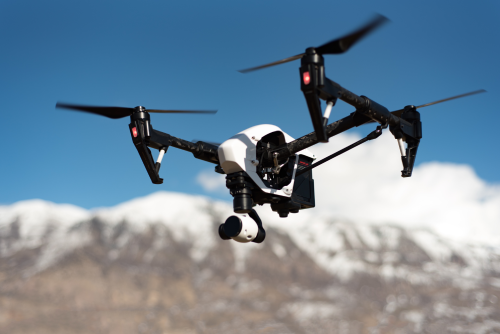
Beach locations can make even a basic drone look cinematic, but they are also one of the toughest places to film well. If you want to learn how to shoot beach videos with a drone, the real difference comes from planning for wind, harsh light, crowds, and saltwater before you ever take off.
Quick Take
- Shoot early morning or near sunset for softer light, calmer wind, and fewer people.
- Check the latest Indian airspace and local restrictions before flying. Many beaches are close to airports, ports, naval areas, or protected zones.
- Avoid taking off directly from sand. Use a landing pad, hard surface, or hand launch and catch only if you are trained and it is safe.
- Lock your exposure settings for video. Auto settings often ruin beach shots because bright sand and water confuse the camera.
- Fly smooth, slow movements. Beach videos usually look best with gentle reveals, top-down patterns, shoreline tracking, and rising shots.
- Be extra careful over water. Reflections, wind gusts, and low battery can end a flight quickly.
- Clean your drone after the shoot. Salt and fine sand can damage motors, gimbal parts, and connectors over time.
Why beach drone videos are harder than they look
A beach seems simple: open space, wide horizon, beautiful water. In practice, it is a demanding environment for both the pilot and the camera.
Here is what makes it tricky:
- Wind changes fast: Sea breeze often gets stronger as the morning advances.
- Bright highlights: White sand and reflective water can make footage look overexposed, meaning too bright.
- Crowds: Popular beaches in India can get busy quickly, especially on weekends and holidays.
- Salt and sand: Salt mist and fine sand are bad for motors, gimbals, and sensors.
- Wildlife and sensitive areas: Some beaches have nesting birds, turtle zones, or protected coastal stretches.
- False confidence: Open beaches look safe, but low flying over water is risky, especially for beginners.
If you respect these limits, beach drone footage can look stunning and professional.
Check the legal and safety side first
Before you fly, treat the legal check as part of the shoot, not as an afterthought.
Airspace and permissions in India
Drone rules in India can change, and local restrictions matter as much as national ones. Before flying, verify the latest official guidance on:
- Whether the area is in a permitted airspace category
- Any Digital Sky or related compliance requirements that apply to your drone and operation
- Local administration, police, tourism, forest, or coastal restrictions
- Commercial filming permissions if you are shooting for a client, resort, or event
- Whether the beach lies near an airport, airbase, port, Coast Guard facility, or naval zone
This matters because many well-known beaches are closer to sensitive infrastructure than people realize. A beach may look open, but that does not automatically make it legal to fly there.
Beach-specific safety rules
Even where flying is allowed, do not fly recklessly.
Good beach safety habits include:
- Do not fly directly above crowds
- Keep a safe distance from swimmers, surfers, boats, and beach vehicles
- Avoid hovering near strangers for “close-up” shots
- Do not chase wildlife or fly near nesting birds
- Leave immediately if security personnel or local authorities instruct you to stop
- Respect privacy, especially in tourist areas
If you are filming a person on the beach, brief them before takeoff and keep them well clear of the landing zone.
Plan the shoot before you reach the sand
Good beach videos are mostly won before the drone leaves the ground.
Check the weather, wind, and tide
Look at more than just rain.
Pay attention to:
- Wind speed and gusts: Gusts matter more than average wind.
- Tide timing: A wide beach at low tide can disappear at high tide.
- Sun position: Decide whether you want the sun behind you, beside you, or in frame.
- Cloud cover: Broken clouds can create beautiful texture or ugly exposure swings.
- Humidity and haze: Coastal haze can reduce clarity.
In many Indian coastal locations, early morning gives you the calmest conditions. By late morning or afternoon, wind often builds and the light becomes harder.
Visit the spot on foot first
A short ground scout helps you avoid silly mistakes.
Look for:
- Safe takeoff and landing area
- Obstacles like poles, power lines, fishing nets, beach umbrellas, and palm trees
- Where people are gathering
- Where waves are breaking hardest
- Good foreground elements such as rocks, shacks, jetties, boats, or curved shoreline lines
The best beach drone shots usually combine the sea with one extra visual element. Endless water alone gets boring quickly.
Make a simple shot list
You do not need a film-school storyboard. Just decide what you need.
A practical beginner shot list:
- Wide establishing shot of the full beach
- Side-tracking shot along the shoreline
- Top-down shot of waves meeting sand
- Slow rise to reveal the coastline
- Push-in toward a subject or landmark
- Pull-back ending shot at sunset or sunrise
This keeps you focused and saves battery.
Gear that matters at the beach
You do not need a large kit, but a few items make beach filming much easier.
Useful gear to carry
- Drone and remote controller
- Fully charged batteries
- Spare propellers
- Lens cloth or microfiber cloth
- Landing pad
- ND filters
- Power bank for phone or controller
- Small brush or blower for dust and sand
- Hard case or clean bag for storage
Why ND filters help
An ND filter is like sunglasses for your camera. It reduces light so you can use a slower shutter speed for smoother-looking motion in video.
At beaches, sunlight is often very strong. Without an ND filter, your shutter speed may become too fast, making waves and movement look jittery or overly sharp.
Avoid sand at takeoff and landing
Sand is a bigger enemy than many beginners think.
If possible:
- Take off from a paved surface, rock, wooden deck, or landing pad
- Keep the drone case closed while on the beach
- Do not set the drone down directly on sand between flights
- Wipe your hands before changing batteries or filters
Hand launching and hand catching can help avoid sand, but only do this if you are already comfortable and it is safe in the conditions. It is not a beginner technique.
Best time of day for beach drone footage
Sunrise and early morning
This is usually the best option.
Why it works:
- Softer light
- Lower contrast
- Fewer crowds
- Often calmer wind
- Cleaner sand before the beach gets busy
If you want smooth, peaceful footage, early morning is hard to beat.
Golden hour before sunset
This gives warmer colours and attractive reflections. It works especially well for romantic, travel, or resort-style videos.
Watch for:
- Crowds increasing in the evening
- Stronger sea breeze
- Faster drop in light, which may push your ISO up
Midday
Midday is the hardest time to shoot.
Common problems:
- Harsh shadows
- Blown highlights on sand and foam
- Flat-looking footage
- More glare from water
- Higher heat and wind
If you must shoot at midday, focus on top-down patterns, boats, water texture, and graphic compositions instead of soft cinematic looks.
Camera settings that usually work
For beach videos, camera control matters as much as flying.
Start with these principles
- Use manual exposure where possible
- Keep ISO as low as possible for clean footage
- Lock white balance so colour does not shift between shots
- Use a frame rate that matches your project
- Check the histogram if your drone offers it. This is a tool that shows whether your image is too dark or too bright.
Good starting settings
| Situation | Suggested starting point | Why |
|---|---|---|
| General cinematic beach video | 4K at 25 fps, shutter near double frame rate, low ISO, white balance locked | Natural motion and easy editing |
| Action like waves or running subject | 4K at 50 fps if available | Lets you slow clips down smoothly |
| Bright sun | Use ND filter, low ISO, manual exposure | Helps control highlights and motion blur |
| Sunrise/sunset | Lock white balance, expose carefully for sky | Prevents colour shifts and blown skies |
25 fps or 30 fps?
In India, many creators and editors prefer 25 fps or 50 fps because it fits common PAL-based workflows. If you already shoot your other content at 30 fps, you can stay consistent with that. The important part is not mixing frame rates randomly unless you know why.
Shutter speed
For natural-looking motion blur, a common rule is to keep shutter speed around double your frame rate.
For example:
- 25 fps -> around 1/50
- 50 fps -> around 1/100
At a sunny beach, this often requires an ND filter.
White balance
Do not leave white balance on auto if you want a clean edit. On beaches, the camera may shift colours as it sees sand, water, sky, and shadows.
Set it manually and keep it consistent across the scene.
Colour profile
If you are a beginner:
- Use the normal or standard profile if you want quick results
- Use a flatter profile only if you are comfortable colour grading later
A flat profile can preserve more dynamic range, meaning more detail in bright and dark areas, but it also needs extra work in editing.
Focus and exposure tip
Before each important shot:
- Tap or confirm focus on your subject area
- Check horizon level
- Make sure highlights in the waves and sand are not blown out
It is usually better to protect highlights than to make the sand look too bright.
Drone movements that look best at the beach
Smooth flying is more important than flashy flying.
Adjust your flying style
If your drone has a Cine, Tripod, or Smooth mode, use it. Lower speed and slower stick response make beach footage look more polished.
Focus on:
- Gentle starts and stops
- Long, steady movement
- Minimal yaw jerks
- Consistent height
- No sudden tilt corrections
Eight shots that work beautifully at the beach
-
Shoreline track
Fly parallel to the waterline at a safe distance. This gives a clean travel feel and shows wave movement. -
Top-down wave pattern
Point the camera straight down and capture waves meeting sand, footprints, umbrellas, or boats. -
Reveal from behind a foreground
Start behind a rock, palm, dune, or structure and rise slowly to reveal the sea. -
Push-in toward a subject
Move slowly toward a couple, surfer, boat, or beach shack without getting too close. -
Pull-back farewell shot
Start near the subject and fly backward while rising, revealing the full coastline. -
Rise and tilt
Begin low with the camera tilted down slightly, then rise while tilting up to show the horizon. -
Slow orbit
Orbit a boat, lighthouse, or single subject only if there is enough space and low wind. -
Diagonal pass
Fly at an angle along the edge of the surf for a more dynamic composition than a straight side track.
For beginners, the shoreline track, top-down shot, and rise reveal are the easiest to get right.
A simple beach shoot workflow
If you want reliable results, follow a routine.
1. Arrive early
Get there before your planned shooting time. This gives you time to walk the area and check the wind.
2. Choose a safe launch spot
Pick firm ground away from sand spray, people, dogs, and water.
3. Do a full pre-flight check
Before takeoff:
- Props secure
- Battery seated properly
- Home point updated
- GPS lock confirmed
- Camera settings set manually
- Return-to-home height reviewed with local obstacles in mind
4. Take a short test hover
Hover briefly and watch for:
- Unexpected drift
- Strong gusts
- Gimbal shake
- Compass or sensor warnings
If the drone feels unstable, land and reassess.
5. Capture your safest wide shots first
Start with higher, wider shots while batteries are full and your concentration is fresh.
6. Move to medium-height movement shots
Once comfortable with the conditions, record shoreline tracks, reveals, and slow push-ins.
7. Save the riskier low shots for last, or skip them
Low passes over water look great, but they are optional. If wind, glare, or confidence is poor, do not force them.
8. Review clips on site
Check horizon, sharpness, and exposure before leaving. It is better to reshoot immediately than discover a problem at home.
9. Pack carefully and clean later
Store the drone in its case before wind blows more sand onto it.
Filming people at the beach
Beach videos often include couples, families, models, surfers, or creators. This changes how you should fly.
Work with the subject, not around them
Tell them:
- Where the drone will start
- Which direction it will move
- Whether they should walk, stand, or look at the sea
- When to stay still
Simple actions work best:
- Walking along the shoreline
- Standing on rocks or jetty edges at a safe distance
- Looking out to sea
- Running lightly on wet sand
- Holding hands and moving slowly
Do not ask people to do anything near rough surf, slippery rocks, or crowded areas just to get a shot.
Keep distance
A beach is not the place for aggressive close passes. Safer, wider framing often looks more cinematic anyway.
Special risks when flying over water
This is where many beach drone flights go wrong.
What can cause trouble
- Strong gusts coming off the sea
- Low battery during a headwind return
- Water reflections affecting visual positioning systems
- Loss of depth judgment when flying low
- Mist or spray reaching the drone
- Pilot distraction while framing a pretty shot
Smart rules for beginners
- Do not fly lower over water than you need to
- Keep more battery reserve than usual
- Stay close enough for a safe return
- Avoid long low backward moves over waves
- Do not depend fully on obstacle sensors over water
- If the drone behaves oddly, climb gently and return
Many pilots lose drones not because of one big mistake, but because of several small ones combined: wind, low battery, glare, and overconfidence.
Editing beach drone footage so it looks natural
The beach already looks dramatic. Editing should support that, not overpower it.
Build a simple story
A short beach sequence can be structured like this:
- Establish the full location
- Move into shoreline or top-down details
- Show a person, boat, or point of interest
- End with a wider reveal or pull-back shot
This works for reels, YouTube intros, travel films, and real-estate or resort promos.
Colour correction tips
Beach footage usually needs:
- Slight highlight reduction
- Better contrast in hazy scenes
- Careful blue and aqua adjustment so the water looks natural
- Warmth at sunrise or sunset without making skin tones orange
Do not oversaturate the sea. Unrealistic blues are one of the fastest ways to make footage look amateur.
Slow motion and music
Use slow motion only on selected clips, such as waves or people walking. If every shot is slowed down, the video loses energy.
Music should match the scene:
- Calm ambient or acoustic for sunrise
- Light travel beats for holiday vibe
- Cleaner, minimal tracks for luxury resort work
Keep transitions simple
Most beach drone videos only need straight cuts, gentle speed ramps, and maybe one fade at the end. Fancy transitions often distract from the scenery.
Common mistakes to avoid
Flying too late in the day
By the time you are ready, the wind may be much stronger and the light much harsher than expected.
Trusting auto exposure
The drone keeps brightening and darkening the shot as the scene changes, making footage look inconsistent.
Launching from dry loose sand
This can throw sand into motors and the gimbal during takeoff and landing.
Shooting everything too wide
Wide shots are useful, but a whole video of only high wide shots gets repetitive.
Not checking the horizon
A tilted sea horizon makes otherwise good footage look careless.
Flying too low over waves for no reason
This is one of the most common beginner mistakes. The shot may not even look better, but the risk is much higher.
Overediting the colours
Too much blue, too much orange, or too much contrast can make the beach feel fake.
Ignoring local sensitivities
Some areas may have privacy concerns, security restrictions, fishing activity, or environmental sensitivity. Good drone work includes good judgment.
FAQ
Can I fly a drone on any beach in India?
No. You must verify the latest official airspace rules and local restrictions before flying. Some beaches may fall near airports, ports, military or Coast Guard areas, or protected coastal zones.
What is the best time to shoot beach videos with a drone?
Early morning is usually the safest and most visually pleasing time. You often get softer light, lighter crowds, and calmer wind.
Do I really need ND filters for beach videos?
In bright conditions, yes, they are very helpful. ND filters let you keep a more natural shutter speed for smoother-looking motion.
Should I use auto or manual camera settings?
For beach video, manual is usually better. Auto exposure and auto white balance often shift too much because of bright sand, water reflections, and changing sky.
Is it safe to fly low over seawater?
It is riskier than many beginners think. Wind, glare, mist, and depth judgment issues can cause problems quickly. If you are new, stay higher and focus on safer compositions.
How much battery should I keep in reserve at the beach?
Keep more reserve than you would in a calm inland location. Returning against sea breeze can drain battery faster than expected. Do not stretch the last part of the flight.
What frame rate should I use for social media beach videos?
If you want a cinematic look, 25 fps is a solid choice. If you want slow motion, record at 50 fps when your drone supports it. The main thing is to stay consistent across your project.
How do I protect my drone from sand and salt?
Use a landing pad, keep the drone in its case when not flying, avoid setting it down on sand, and wipe the drone down after the shoot. Inspect motors, gimbal area, and battery contacts once you are home.
Can I shoot beach videos during monsoon season?
You should be extremely careful. Coastal weather can change quickly, with stronger winds, moisture, and reduced visibility. If there is rain risk or unstable wind, postpone the shoot.
Final takeaway
The best beach drone videos are not made by flying harder; they are made by planning better. Pick the right time, verify the location is legal and safe, lock your camera settings, and focus on a small set of smooth, repeatable shots. If you do just that on your next beach outing, your footage will immediately look cleaner, calmer, and far more professional.
