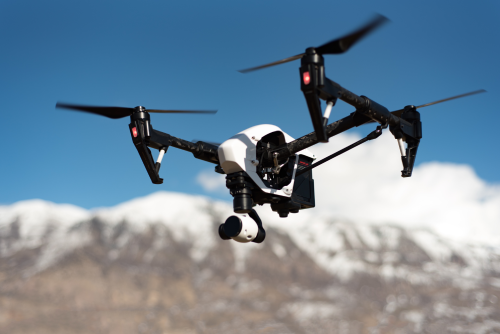
A successful drone shoot is planned on the ground long before the drone leaves the ground. If you want sharper images, smoother footage, fewer mistakes, and less stress, learning how to plan a drone photography shoot matters more than buying a more expensive drone.
Quick Take
- Start with the final use: social media reel, real estate listing, travel photo set, wedding teaser, inspection images, or a client presentation.
- Scout the location before flying. Look for obstacles, crowd movement, take-off and landing spots, light direction, and possible privacy issues.
- In India, always verify the latest DGCA and Digital Sky requirements before every shoot. Venue permission and aviation compliance are not the same thing.
- Make a shot list. Decide your must-have shots before you arrive, not after your first battery is half empty.
- Plan around light and weather. Early morning and late afternoon usually give the best results, but local conditions like haze, wind, heat, and monsoon matter.
- Lock in simple camera settings before take-off. Constantly changing settings mid-flight wastes time and often ruins consistency.
- Build a safe flight plan with battery limits, a clear return path, and an alternate landing spot.
- Review clips on-site before leaving. It is much easier to reshoot immediately than to discover missing footage at home.
Start with the purpose, not the drone
The biggest planning mistake is treating every drone flight like a general photo outing. A drone shoot works better when you define the result first.
Ask these questions before anything else:
- What is the shoot for?
- Who will use the photos or videos?
- What format is needed?
- What story should the images tell?
- What are the non-negotiable shots?
A real estate agent needs clean, informative angles that show access roads, frontage, surroundings, and plot shape. A travel creator may want mood, scale, movement, and a cinematic reveal. A construction client may care more about repeatable documentation than dramatic shots.
Define the deliverables clearly
Write down:
- Photo, video, or both
- Horizontal, vertical, or both
- Final platform: Instagram, YouTube, brochure, website, marketplace listing, client PDF
- Approximate number of final images or clips
- Deadline
- Editing style: natural, vibrant, cinematic, documentary
If you skip this step, you may return with beautiful footage that is useless for the actual job.
Match the shoot plan to the subject
| Shoot type | Must-have outputs | Planning focus |
|---|---|---|
| Real estate or resort | Wide establishers, approach shot, top view, amenities, surroundings | Clean geometry, low wind, good morning light |
| Wedding venue or event | Venue overview, entry path, decor layout, sunset ambiance | Crowd safety, venue approval, limited flight windows |
| Travel and landscape | Hero wide, top-down texture, reveal shot, layered depth | Light, weather, local access, backup date |
| Construction or site progress | Repeatable angle, top view, boundary context, timeline consistency | Same time of day, same altitude, accurate framing |
Scout the location like a photographer and a pilot
A drone location scout is not just about finding a pretty view. It is about identifying where you can safely launch, how the light will fall, where the obstacles are, and whether the location actually supports the shot you want.
Do a digital scout first
Before visiting, use maps, satellite view, and terrain tools to understand:
- Roads and entry points
- Trees, poles, towers, wires, cranes, and buildings
- Water bodies
- Open take-off areas
- Nearby sensitive zones
- Likely sun direction at your preferred time
This quick check often tells you whether a location is practical or whether you need a different launch point.
Then do an on-ground scout if possible
If the shoot matters, visit the location before the actual day.
Look for:
- Power lines and thin cables
- Bird activity
- Security staff or access restrictions
- Dusty or sandy take-off areas
- Strong wind channels between buildings
- Narrow courtyards with weak GPS reception
- Noise and crowd movement
- Alternate landing spots
In India, this matters a lot because many promising locations are more crowded than they appear on maps. A rooftop that looks ideal online may be full of people, loose clutter, or signal interference. A field may turn muddy after unseasonal rain. A beach may have stronger crosswinds than expected.
Check the sun, not just the scenery
The same location can look flat at noon and spectacular at 6:30 am. During scouting, note:
- Where the sun rises and sets relative to your subject
- Whether the subject will be front-lit, backlit, or side-lit
- Whether nearby buildings or hills create shadow at key times
For example:
- A fort or temple exterior may look best when side light brings out texture.
- A glass building can look harsh if shot in direct overhead light.
- Farmland often looks better when low-angle light reveals patterns in the field.
Identify your launch and landing zone
Your take-off point should be:
- Flat
- Clear of loose dust or grass
- Away from people and vehicles
- Large enough for a safe manual landing if needed
- Not directly under trees, wires, or signboards
A small landing pad is useful, especially on dusty ground, beaches, or construction sites.
Check legal, permission, and safety requirements in India
This is the part many people rush, and it is also the part that can stop a shoot completely.
Drone flying in India involves airspace, equipment compliance, and location-specific restrictions. Rules can change, so verify the latest official DGCA and Digital Sky guidance before every shoot rather than relying on memory, social media posts, or old blog articles.
What to verify before the shoot
Check these points for your planned location and drone:
- Whether the airspace permits your planned operation
- Whether your drone and intended use meet current Indian requirements
- Whether the location is near any restricted or sensitive zone
- Whether separate property or venue permission is needed
- Whether the work is recreational or paid, and whether that changes your obligations
Remember: venue permission is not enough
If a hotel, farm, school, or wedding venue says yes, that does not automatically mean the flight is allowed under current aviation rules.
Likewise, even if the airspace appears allowed, you may still need approval from the property owner, event organizer, or site manager.
Be extra careful around these locations
Restrictions may apply or permissions may be harder to obtain around:
- Airports and airbases
- Defence and security installations
- Government complexes
- International borders
- Wildlife habitats and protected areas
- Some dams, industrial sites, and heritage zones
- Large public gatherings
If you are unsure, do not guess. Verify first.
Respect privacy and public safety
Even when a flight is legal, it can still be irresponsible.
Avoid:
- Hovering near apartment balconies
- Filming people closely without context or consent
- Flying over dense crowds
- Launching from busy roads or cramped public areas
- Chasing vehicles, animals, or people for dramatic shots
If you are shooting an event, coordinate with the organizer so people know where the drone will operate and where they should not stand.
Build a shot list and flight plan before the first battery
A drone shoot becomes far more efficient when you decide the shots before take-off. Otherwise, you spend precious battery time improvising.
Create three levels of shots
Break your shot list into:
1. Must-have shots
These are the minimum shots needed to make the shoot successful.
Examples:
- Front elevation of a property
- Straight top-down of a plot
- Wide landscape hero shot
- Entrance reveal
- One clean orbit of the main subject
2. Good-to-have shots
These add variety if time, light, and battery allow.
Examples:
- Low rising reveal
- Side tracking shot
- Detail top-down of texture or pathways
- Sunset silhouette
3. Bonus shots
Try these only after the essentials are complete.
Examples:
- Complex parallax move
- Long backward pull-away
- Hyperlapse or timelapse
- Multiple altitude versions for edit options
Turn shots into a flight plan
Now group nearby shots into one flight. Do not plan one take-off per shot unless necessary.
A simple flight plan might look like this:
- Flight 1: Safe hover test, exposure check, main wide shots
- Flight 2: Orbit, reveal, medium-height angles
- Flight 3: Top-downs and detail textures
- Flight 4: Backup versions and alternate framing
This saves battery, keeps you organized, and reduces repeated setup.
Think about movement before flying
For each shot, note:
- Start point
- End point
- Direction of movement
- Altitude
- Speed
- Subject position in frame
For beginners, simple movements usually look best:
- Slow rise
- Straight push forward
- Gentle pull back
- Controlled sideways slide
- Wide orbit with lots of space
Fast, tight, low-altitude moves often look impressive online, but they are harder to execute cleanly and can be risky in real locations.
Plan for light, weather, and season
Many disappointing drone shoots are really lighting mistakes.
Best times for most shoots
Early morning
Usually the safest default for drone photography in India.
Benefits:
- Softer light
- Lower contrast
- Fewer people in public places
- Often calmer wind
- Cleaner atmosphere in some locations
Late afternoon to sunset
Great for warmth, long shadows, and dramatic mood.
Watch for:
- Strong backlight
- Faster-changing exposure
- More people in public areas
- Strong coastal or open-ground winds
Midday
Usually the least flattering for landscapes and architecture, but still usable for some jobs.
Useful when:
- You need a clear top-down map-like image
- You want bright water color in the right conditions
- You are documenting land, roofs, or solar panels
- Client timing is fixed
India-specific weather factors to plan around
Haze and pollution
In many cities and industrial regions, distant backgrounds can look washed out. If the shoot depends on long-range visibility, early morning after a clearer day can help.
Monsoon
Rain is not the only issue. Wet surfaces, gusty wind, slippery launch spots, and unstable light make flying harder.
Summer heat
High temperatures can affect battery performance and phone or tablet screens. Keep batteries shaded and do not leave gear in a parked car.
Coastal wind
Beaches and cliffs may feel calm on the ground but much windier at altitude. Plan extra battery margin.
Hill stations and valleys
Wind can change quickly near ridges. GPS signal and return paths also need extra attention.
Have a backup date or backup window
If the shoot is important, plan one of these:
- A second date
- A morning and evening option on the same day
- A “documentary only” backup plan if cinematic conditions fail
This is especially useful for client work. It protects both quality and expectations.
Prepare your drone, camera, and support gear
Good planning fails quickly if your batteries are low, your memory card is full, or your settings change mid-flight.
The day-before checklist
Charge and check:
- Flight batteries
- Controller
- Phone or tablet
- Spare power bank if used
Inspect:
- Propellers for chips or cracks
- Gimbal guard removed before flight
- Motors free of dust and grit
- Airframe for damage
Prepare:
- Fast memory cards with enough space
- ND filters if shooting video in bright light
- Lens cloth
- Landing pad
- Sunshade for controller screen if needed
- Backpack organized by order of use
Also update only when safe to do so. Avoid major firmware changes the night before an important shoot unless you have time to test everything properly.
Plan your camera settings in advance
For photos
A simple, reliable plan is:
- Shoot in RAW if you want more editing flexibility
- Keep ISO low where possible
- Use manual or exposure-compensated settings rather than letting the camera change dramatically between shots
- Consider bracketing for high-contrast scenes
Bracketing means taking multiple photos at different exposures so you can recover highlights and shadows later.
For video
Decide before arrival:
- Resolution
- Frame rate
- Color style or profile
- White balance
- Whether you need vertical footage as well as horizontal
Locking white balance is important. If left on auto, the color may shift mid-shot and make editing harder.
If you are filming in bright daylight, an ND filter can help keep shutter speed more natural. Think of an ND filter as sunglasses for the camera.
Name your folders and cards sensibly
Simple file discipline saves hours later.
A useful structure:
- Date
- Location
- Project name
- Flight number
Example: – 2026-03-22 Jaipur Resort Flight 1 – 2026-03-22 Jaipur Resort Flight 2
This matters even more if you are shooting multiple properties, events, or client locations in one week.
A practical shoot-day workflow
When you arrive on location, do not rush to launch. Use a short routine every time.
1. Recheck the environment
Confirm:
- Wind feels manageable
- No new crowd has gathered
- No unexpected cranes, vehicles, or temporary structures
- Your take-off spot is still usable
2. Confirm permissions and brief anyone involved
If a client, venue manager, or assistant is present, explain:
- Where you will launch from
- Where people should not stand
- Approximate flight duration
- What you will shoot first
3. Set a safe return-to-home height
Return-to-home is the drone’s automatic return feature. Set the height high enough to clear nearby obstacles, but not blindly high. A poor setting can create risk instead of reducing it.
4. Do a short test hover
Check:
- GPS lock or positioning status
- Gimbal stability
- Exposure
- Screen lag
- Wind behavior
5. Shoot the essential shots first
Do not save the must-have images for the last battery. Weather, light, crowd, and battery confidence can all change.
6. Review on-site
After each key flight, quickly inspect:
- Sharpness
- Framing
- Horizon level
- Exposure
- Clip smoothness
A five-second review can save an entire wasted trip.
7. Leave battery margin
Do not push every battery to its last few percent. Plan a conservative return point, especially in wind, over water, or in large open sites.
Simple framing and movement ideas that usually work
If you are new to planning drone photography, you do not need ten flashy maneuvers. A few dependable shot types cover most situations.
The wide establisher
Start high enough to show the full subject and some surroundings. This gives context and is usually the first image a client wants.
The reveal
Use a tree line, wall, rooftop edge, or foreground element to hide the subject, then slowly rise or move forward to reveal it.
The top-down
Perfect for roads, courtyards, fields, pools, roof patterns, and layouts. It is useful for both social media and documentation.
The slow orbit
Keep the subject centered and move gently around it. This works best when the area is open and obstacle-free.
The tracking slide
Move sideways while keeping the subject framed. Good for buildings, shorelines, roads, and event venues.
The pull-away
Begin with the subject prominent in the frame, then slowly move backward and upward to show scale.
For beginners, smooth and simple beats dramatic and unstable.
Common mistakes that ruin drone shoots
Even experienced pilots make these planning errors.
1. Arriving without a shot list
You waste battery and miss the client’s real needs.
2. Trusting the weather app too much
Apps help, but local wind, haze, and rain can behave differently on-site.
3. Flying at the wrong time of day
A beautiful location can look lifeless in harsh overhead sun.
4. Ignoring crowd flow
A safe take-off area at 7 am may become busy by 8 am.
5. Changing settings constantly
This creates inconsistent footage and slows the shoot.
6. Trying advanced moves too soon
A simple push-in that is smooth is more useful than a risky low orbit that looks shaky.
7. Not checking footage before leaving
Nothing hurts more than discovering soft focus or a tilted horizon at home.
8. Treating legal checks as optional
A great image is never worth a careless or non-compliant flight.
FAQ
Is drone photography planning really necessary for a casual hobby shoot?
Yes. Even for a short personal shoot, a basic plan improves safety and results. At minimum, decide the location, legal status, light window, take-off spot, and three shots you want.
How many batteries do I need for a proper shoot?
That depends on the job, location, and weather, but one battery is rarely enough for anything beyond a quick practice session. For planned shoots, enough batteries to complete essentials and one backup is a sensible approach.
Should I shoot photos and video in the same flight?
You can, but it often reduces efficiency. Photos and videos may need different framing, movement, and settings. If the job matters, dedicate one flight to stills and another to video.
What is the best time for a drone photography shoot in India?
Usually early morning or late afternoon. Morning is often calmer and less crowded. But the best time still depends on your subject, season, and local weather.
Do I need permission from the property owner if the airspace is allowed?
Often yes. Airspace permission and property access are separate issues. If you are launching from private land or filming a venue, site approval may still be necessary.
What should I do if the weather changes after I reach the location?
Prioritize safety. Reduce ambition, capture only essential shots if conditions remain safe, or postpone entirely. A rescheduled shoot is better than damaged gear or risky flying.
Should beginners use automatic settings or manual settings?
For beginners, a simple controlled setup is best. Auto can work, but it may change exposure and color unexpectedly. If you can, lock the most important settings such as white balance and keep exposure consistent.
How do I plan a shoot for social media versus a client project?
For social media, you can prioritize mood, movement, and storytelling. For client work, start with useful, informative shots first. Get the safe, clean, practical images before creative extras.
Is it okay to fly at a wedding or public event?
Only after verifying the latest legal requirements, venue approval, and practical safety conditions. Public gatherings add extra risk. Plan clear separation from guests and do not improvise in crowded spaces.
What is the single most useful planning habit for better drone shoots?
Writing a one-page brief. Include the purpose, location notes, legal checks, must-have shots, ideal light window, take-off point, and battery plan.
Final takeaway
For your next drone shoot, do not start by charging batteries. Start by writing a simple plan: purpose, permissions, light window, take-off spot, three must-have shots, safe return path, and backup option. That small habit will improve your drone photography faster than any new filter, accessory, or upgrade.
