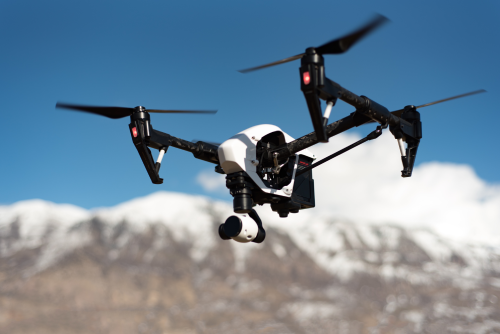
If you want to learn how to shoot wedding videos with a drone, the real skill is not flashy flying. It is planning, timing, safe operation, and knowing exactly where aerial footage adds emotion to the wedding film. In India, that also means paying close attention to venue permissions, local restrictions, crowds, weather, and the latest official drone rules before you fly.
Quick Take
- A drone should support the wedding story, not dominate it.
- The best wedding drone clips are usually venue reveals, couple portraits, processional wide shots, and smooth transitions between locations.
- For most weddings, a standard camera drone with a 3-axis gimbal is a better choice than an FPV drone.
- In India, verify the latest DGCA and Digital Sky requirements, venue permissions, airspace status, and any local restrictions before the shoot.
- Avoid flying directly over guests, crowded baraats, mandaps, fireworks, or indoor spaces unless the setup is clearly safe and legally permitted.
- Lock your settings when possible: frame rate, white balance, and exposure strategy.
- Use drone footage sparingly in the final edit. Emotional moments usually come from ground cameras and good audio.
What makes a good wedding drone video
A good wedding drone video does three things well:
- It shows scale.
- It adds elegance.
- It helps the film flow from one moment to the next.
That means your drone is most useful for:
- Establishing the venue
- Showing decor from above
- Revealing the couple in a scenic location
- Following movement from a safe distance
- Creating smooth transitions between events
It is usually not the best tool for:
- Close emotional reactions
- Dialogue or vows
- Crowded rituals
- Tight indoor spaces
- Night scenes with very little light
A simple rule helps: use the drone for atmosphere, not for everything.
Before the wedding: plan like a filmmaker and a pilot
Wedding drone work is won or lost before the first takeoff.
Talk to the couple and the main camera team
Ask the couple what they actually want from the drone footage. Most do not want ten random aerial clips. They want a few memorable moments that feel cinematic.
Useful questions include:
- Do you want a grand venue reveal?
- Do you want scenic couple portraits?
- Is the baraat important to you?
- Are there multiple locations on the same day?
- Do you prefer elegant and slow, or energetic and celebratory?
Also coordinate with:
- The main wedding filmmaker
- Photographer
- Wedding planner
- Venue manager
This avoids conflicts like:
- Your drone appearing in the photographer’s wide shot
- The couple being pulled in different directions
- Flying at the wrong time during rituals
- Last-minute refusal from the venue
If you are part of a team, decide who calls the drone moments. If you are shooting solo, keep your aerial plan smaller and more realistic.
Scout the venue properly
If possible, visit the venue in advance. If not, ask for videos, photos, maps, and a full schedule.
During your scout, check:
Flight space
- Open areas for takeoff and landing
- Trees, poles, cables, lighting rigs, canopies, and stage truss
- Nearby buildings that can block GPS or create wind turbulence
- Bird activity, especially around resorts, lakes, beaches, and heritage properties
Guest movement
- Where people will gather
- Entry path for the baraat
- Mandap or stage location
- Parking area and service lanes
- Places where children may run unexpectedly
Lighting conditions
- Sunrise and sunset direction
- Harsh afternoon light
- Decorative lights that may confuse exposure
- Mixed lighting from LEDs, tungsten fixtures, and fairy lights
Practical issues
- Dusty ground at farmhouses
- Salt air at beach venues
- Restricted access at luxury hotels
- Loud music, fireworks, or animal processions
- Weather backup if wind or rain becomes a problem
A venue scout should end with a shot plan, not just a yes or no.
Check legal and compliance points in India
Wedding drone work in India is not just a creative job. It is also a compliance job.
Because rules can change, verify the latest official guidance before the event. Do not rely on old social media advice, vendor assumptions, or what “worked last year.”
At minimum, confirm:
- Whether your drone and operation are allowed under current DGCA rules
- Airspace status and any required permission through the official system
- Whether NPNT or other compliance requirements apply to your drone and operation
- Venue permission, preferably in writing
- Any local police, municipal, security, or event-specific restrictions
- Whether the location is near an airport, military area, government site, or another sensitive zone
Also remember:
- Weddings often involve dense crowds, which can make aerial operation unsuitable or restricted
- Flying over people is a serious safety concern even if the venue is private
- Guests have privacy expectations, especially during religious rituals and family moments
- Fireworks, lasers, and low-visibility night conditions can make a legal flight unsafe in practice
If the compliance picture is unclear, skip the drone. A missed aerial shot is better than an unsafe or unlawful flight.
Choose the right drone and basic gear
You do not need the biggest drone to shoot a wedding well. You need a reliable one.
What matters most in a wedding drone
For most creators, the ideal wedding drone has:
- Stable GPS-based hovering
- A 3-axis gimbal for smooth video
- Good obstacle sensing or at least predictable handling
- Manual video controls
- Decent battery life
- Fast setup and dependable app connection
- Strong return-to-home behavior
For beginners, a compact camera drone is usually the smartest choice. It is easier to transport, faster to launch, and less intimidating around clients.
A racing or FPV drone can create dramatic results, but it is not a beginner wedding tool. FPV adds risk, requires more skill, and needs careful separation from guests. If you want cinematic reliability at weddings, a conventional gimbal drone should be your main platform.
Wedding drone gear checklist
Carry more than just the drone:
- Fully charged flight batteries
- Spare propellers
- Remote controller and phone/tablet setup
- ND filters for daylight
- Fast memory cards
- Charging gear or power bank support
- Landing pad for dusty venues
- Microfiber cloth
- Basic weather protection
- Small torch for packing up after dark
- Printed or saved permissions and schedule notes
If you are shooting a full wedding day, battery planning matters. Do not waste flights on random testing. Save batteries for the moments that actually matter.
Best camera settings for wedding drone videos
Wedding films should feel polished and consistent. Auto mode often works against that.
A simple starting point
For most Indian wedding work, this is a practical baseline:
| Setting | Good starting point | Why it helps |
|---|---|---|
| Resolution | 4K if your workflow allows | Gives more flexibility for cropping and stabilizing |
| Frame rate | 25 fps for normal cinematic footage | Matches common Indian video workflow and local lighting frequency better |
| Slow motion | 50 fps when you know you want slow motion | Useful for baraat movement or couple shots in bright light |
| Shutter speed | About double the frame rate | Keeps motion natural |
| ISO | Keep as low as possible | Small drone sensors get noisy quickly |
| White balance | Lock it manually | Prevents color shifts during a shot |
| Color profile | Normal for quick delivery, flat/log only if you know grading | Makes editing more predictable |
Why 25 fps often makes sense in India
Many wedding editors in India deliver in a 25 fps timeline. It also helps reduce flicker issues under some artificial lights. If your whole wedding team is working at 25 fps, matching that frame rate keeps the final film cleaner and easier to edit.
If you plan slow motion, switch intentionally. Do not mix frame rates randomly.
Use ND filters in daylight
An ND filter is like sunglasses for your camera. It reduces the light entering the lens so you can keep a slower shutter speed and get more natural-looking motion.
Without an ND filter in bright afternoon sun, your drone may use a very fast shutter. The footage can look sharp in a harsh, stuttery way instead of smooth and cinematic.
Avoid Auto White Balance
Wedding venues often have changing light:
- Warm haldi decor
- Cool LED stage lights
- Sunset outdoors
- Mixed fairy lights at night
If white balance is on auto, your footage can shift color in the middle of a shot. Lock it before takeoff and adjust only when the lighting environment clearly changes.
The best drone shots for weddings
Aerial footage works best when each shot has a purpose. Here are the most useful wedding drone shots for beginners.
A practical wedding shot list
| Wedding moment | Best drone shot | Key caution |
|---|---|---|
| Venue before guests arrive | Slow reveal, rise-up, or push-in | Best time to fly safely and calmly |
| Decor and stage | High wide shot or gentle lateral move | Avoid flying too low around structures |
| Couple portrait session | Slow orbit or pull-back reveal | Keep movements gentle and well rehearsed |
| Baraat from a distance | Side tracking or wide follow shot | Do not fly directly above the crowd |
| Bride/groom arrival area | Establishing wide shot | Keep prop noise away from the actual entrance moment |
| Resort, palace, beach, or farmhouse location | Big scenic reveal | Check wind, birds, and restricted airspace |
| Post-ceremony exit | Pull-up or retreating wide shot | Watch for confetti, smoke, and sudden crowd movement |
Shots to use carefully
Some shots look great online but are not always smart at weddings.
Straight-down top shots
They can be beautiful over decor, rangoli, empty courtyards, or couple portraits in a controlled space.
They are a bad idea over a packed crowd.
Tight orbits
A slow orbit around the couple can look elegant. A fast, close orbit often looks amateur and increases risk.
Long tracking shots
Only do these if you have clear space, predictable movement, and no unexpected obstacles.
How to shoot wedding videos with a drone on the actual day
This is the workflow that keeps things practical.
1. Arrive early and do a short safety scan
Before assembling the drone:
- Check wind conditions
- Reconfirm takeoff and landing zones
- Look for new obstacles like temporary light stands or tents
- Confirm the schedule has not changed
- Verify with the planner or family contact that now is a suitable time to fly
Do not assume yesterday’s scout still matches today’s setup.
2. Capture the venue first
The safest and cleanest wedding drone footage is often shot before guests fill the space.
Get:
- A clean establishing shot
- A decor overview
- Stage and mandap wide frames
- Location transitions between the hotel, lawn, and ceremony area
If you can get these early, you reduce pressure later.
3. Save your best energy for the couple shoot
If the couple is available during golden hour, that is often the best time for beautiful drone footage.
Good couple moves include:
- Slow pull-back to reveal the landscape
- Gentle rise while they stand still
- Slow side movement while they walk
- Wide orbit in an open, obstacle-free area
Direct them simply:
- Walk slowly
- Pause at the end of movement
- Do not look up at the drone unless intended
- Keep body movement natural
Drone clips become much more useful when the couple’s movement is calm and repeatable.
4. Treat the baraat with caution
The baraat is exciting, but it is also one of the riskiest moments for a drone operator.
Common problems include:
- Dense crowd movement
- Sudden dancing circles
- Raised hands, sticks, flags, or lights
- Horses, dhol players, smoke, and fireworks
- Unpredictable route changes
The safer approach is to stay offset from the crowd and shoot wide. Let the drone show scale and energy without hovering above people.
If the space is too tight, skip the drone and let ground cameras handle it.
5. Use the drone for transitions, not sacred moments
During key rituals, especially those involving fire, canopies, priests, close family, or emotional exchanges, the drone is usually a poor choice.
Instead of trying to cover the whole ceremony from the air, use aerial footage to connect scenes:
- Venue to ceremony
- Ceremony to portraits
- Daytime to evening
- One location to another
That is where drone footage adds polish.
6. Stop before the drone becomes the event
One of the biggest mistakes at weddings is making guests notice the drone too much.
If heads keep turning upward, the shot is probably too low, too loud, too close, or simply unnecessary.
A wedding film should feel immersive. The drone should not become the main performer.
Safe flying around people, lights, and wedding setups
Wedding venues are visually attractive but operationally messy.
Be especially careful around:
- Decorative string lights and cables
- Tall floral structures
- Temporary truss and stage scaffolding
- Fabric canopies
- Smoke machines
- Fireworks
- Water bodies near resorts
- Rooftop edges
- Palm trees and loose branches in wind
Also avoid launching from areas where:
- Guests are standing nearby
- Vehicles are moving
- Dust can blow into the motors or lens
- Children can approach the drone
If there is any doubt, create a small controlled zone and keep one team member watching people while you focus on the aircraft.
Indoor wedding drone shots: usually not for beginners
Indoor drone footage looks stylish in short reels, but it is much harder than it appears.
Indoor risks include:
- Weak or no GPS
- Tight ceiling clearance
- Fans and hanging decor
- Unpredictable guest movement
- Poor light
- Audio disruption
- Very little room for error
For most beginners, the correct answer is simple: do not make indoor drone work part of your wedding offering yet.
If a client wants dramatic indoor fly-through shots, that requires an experienced operator, a rehearsed route, a controlled area, and clear permissions.
Editing wedding drone footage so it feels premium
Aerial clips become powerful in the edit, not just in the air.
Use drone footage as visual punctuation
Good wedding edits use drone shots to:
- Open the film
- Show location changes
- Add breathing space between emotional scenes
- End on a memorable wide frame
That means your clips should be clean and intentional, not just long.
Keep drone clips short
Most drone shots work best when trimmed tightly. A graceful 4-second clip usually feels stronger than a 15-second clip that drifts without purpose.
Look for:
- A clear beginning
- A smooth move
- A natural endpoint
Match color with the ground cameras
Drone footage often looks cooler, flatter, or more digital than mirrorless or cinema cameras.
In editing, pay attention to:
- White balance consistency
- Contrast
- Skin tone match
- Highlight roll-off
- Saturation of greens and blues
If the drone clip looks very different, it will pull viewers out of the film.
Do not rely on drone audio
Drone audio is usually unusable because of propeller noise.
Your emotional wedding soundtrack should come from:
- Lavalier microphones
- Ambient recorders
- DJ or mixer feeds
- Ground camera audio
- Licensed music chosen for the edit
The drone provides visuals, not story sound.
Common mistakes beginners make
1. Flying without a clear plan
Random flights waste battery, create stress, and produce generic footage.
2. Using the drone too much
A wedding film full of aerial shots gets repetitive fast.
3. Flying too low near people
This is the fastest way to turn a beautiful moment into a safety problem.
4. Leaving settings on auto
Auto exposure and auto white balance can ruin otherwise good footage.
5. Ignoring wind
A drone can look stable in the preview and still produce awkward movement or unsafe operation in gusts.
6. Attempting night shots beyond the drone’s limits
Most small camera drones struggle in low light. Grainy footage is not cinematic.
7. Trying indoor shots too early
Indoor wedding drone work is advanced. Many beginners underestimate the difficulty.
8. Not coordinating with the photographer and planner
The best drone shots happen when everyone knows the timing.
9. Waiting until key moments to change batteries
Change early. Do not gamble on battery percentage during a one-time event.
10. Copying social media moves blindly
Not every viral move is safe, legal, or appropriate for a real wedding.
FAQ
Can I legally shoot a wedding with a drone in India?
Possibly, but you must verify the latest official DGCA and Digital Sky requirements before the event. Also confirm venue permission, airspace status, and any local restrictions. Do not assume a private wedding venue automatically allows drone flights.
Is a drone enough to film the whole wedding?
No. A drone is a supporting camera. The emotional core of a wedding film still comes from ground cameras, close-ups, and properly recorded audio.
What type of drone is best for wedding videography?
For most people, a compact stabilized camera drone is best. Look for reliable GPS, a 3-axis gimbal, manual video control, and predictable handling. FPV is usually not the first choice for beginners.
Is it safe to film the baraat with a drone?
Only if there is enough open space and you can avoid flying over people. Wide side angles are usually safer than overhead shots. If the crowd is too dense or unpredictable, skip the drone.
Should I shoot at 25 fps or 50 fps?
Use 25 fps for your main cinematic footage if your overall wedding workflow is built around that. Use 50 fps only when you specifically want slow motion and have enough light.
Do I need ND filters for wedding drone videos?
In daylight, yes, they are very helpful. ND filters let you control shutter speed and make motion look smoother and more natural.
Can I shoot indoor wedding drone footage?
Beginners usually should not. Indoor flying is much harder because of tight spaces, weaker positioning, poor light, and nearby guests. It needs special care and experience.
How many batteries should I carry for a wedding?
Carry enough for pre-event venue shots, couple portraits, key transition moments, and backup. The exact number depends on the venue size, schedule, and how much drone footage you actually plan to use.
What is the best time of day for wedding drone footage?
Early morning and golden hour are usually best. Midday can be harsh, and late evening often pushes small drone cameras beyond their low-light limits.
How much drone footage should be in the final wedding film?
Usually a small, carefully chosen portion. Aerial footage is most effective when used as an accent, not as the whole film language.
Final takeaway
The best way to shoot wedding videos with a drone is to think like a calm planner, not a stunt pilot. Build a small shot list, verify compliance and permissions, fly only when the space is safe, and use aerial footage to add scale and elegance where ground cameras cannot. If you are shooting your first wedding, keep it simple: venue reveal, one or two couple shots, and a few clean transitions will take you much further than trying to film everything from the sky.
