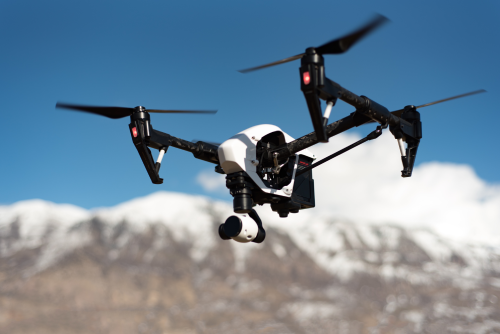
Insurance damage assessment is no longer limited to ladders, clipboards, and a few ground photos. Drones are now used to inspect roofs, flooded sites, factories, farms, and disaster-hit areas faster, more safely, and with better visual evidence.
For India, this matters even more. Monsoon flooding, cyclones, fire damage, hard-to-access rooftops, and large industrial properties can make traditional inspections slow and risky, while drone-based surveys help insurers and surveyors document damage with more speed and consistency.
Quick Take
- Drones are used in insurance damage assessment to capture clear aerial photos, videos, maps, and measurements of damaged property.
- They are especially useful for roofs, tall buildings, warehouses, solar plants, farms, flood-hit zones, and large vehicle yards.
- A drone survey can reduce risky manual inspection, cut repeat site visits, and improve documentation quality.
- Drone data supports claim decisions, but it does not replace human judgment. Surveyors, adjusters, engineers, and insurers still need to interpret the evidence.
- The best results come from structured workflows: flight planning, legal checks, safe data capture, image processing, and report writing.
- In India, always verify the latest DGCA, Digital Sky, airspace, privacy, and local operational requirements before flying for any insurance-related work.
Why drones matter in insurance damage assessment
Insurance claims often depend on one basic question: what exactly was damaged, and how badly?
That sounds simple, but it can be difficult in real life. A roof may be unsafe to walk on. A factory may have smoke damage in upper sections. A flood-hit warehouse may still be waterlogged. A cyclone may affect hundreds of buildings across one district. In such cases, drones help collect evidence quickly and with less physical risk.
Traditional inspection methods still matter, but they have limits:
- Roof access may require ladders, scaffolding, or harnesses
- Some structures become unstable after fire, wind, or water damage
- Ground-level photos miss upper sections and full-site context
- Large sites take time to inspect manually
- Repeated visits increase cost and delay
A drone does not magically settle a claim. What it does well is improve visibility. It gives insurers and surveyors a top-down and angled view that is hard to get from the ground.
Where drones are used in insurance damage assessment
| Insurance area | What drones typically capture | Why it helps | Key limitation |
|---|---|---|---|
| Home and building claims | Roof tiles, water pooling, broken parapets, facade cracks | Safer rooftop inspection and better visual proof | Interior damage still needs on-ground checking |
| Commercial and warehouse claims | Roof sheets, wall damage, stockyard layout, drainage overflow | Fast overview of large properties | Indoor areas may not be accessible by GPS-based drones |
| Fire and industrial loss | Upper structure damage, chimney or ducting areas, exterior heat-affected zones | Reduces need to send people into unstable zones immediately | Smoke, heat, and emergency restrictions can limit flights |
| Flood and cyclone claims | Site-wide inundation, debris spread, damaged boundary walls, access roads | Useful in catastrophe situations with many affected assets | Rain, high winds, and restricted emergency zones can ground drones |
| Agriculture and crop loss | Field condition, lodged crop, waterlogging, pattern of damage | Helps document large areas quickly | Crop-loss decisions still need ground verification and policy context |
| Motor and fleet claims | Vehicle yards, flood-affected parked vehicles, bus or truck depots | Faster inventory-level visual recording | Close damage to individual panels still needs detailed inspection |
The most common insurance use cases
Roof and building inspection
This is one of the biggest uses of drones in insurance damage assessment.
After storms, hail, falling branches, or fire, roofs are often the first area to inspect and the hardest to access safely. A drone can capture:
- Missing or displaced tiles
- Bent or torn metal sheets
- Cracks near parapets
- Water ponding on flat roofs
- Damage around solar installations, vents, ducts, and skylights
- Broken gutters and drainage points
For apartment complexes, schools, offices, and factories, this is much faster than sending a team across the whole roof.
Flood damage assessment
Floods are common in many parts of India during the monsoon. When roads are blocked and compounds remain waterlogged, drones help create a quick visual record of the site.
They can show:
- How far water entered the property
- Whether basement or ground-floor access is affected
- Damage to boundary walls, approach roads, and external utilities
- Debris movement and drainage blockage
- The wider site context, which is useful when many assets are affected
For insurers handling a high volume of claims after a flood, drone surveys can help triage which sites need urgent physical inspection first.
Fire and smoke damage
After a fire, certain parts of a structure may be unsafe to access immediately. Drones are useful for documenting:
- Roof collapse zones
- External burn marks
- Soot spread on upper walls
- Damage to ducts, chimneys, towers, or elevated equipment
- Heat-affected cladding or rooftop utilities
This is especially relevant for warehouses, small factories, hotels, schools, and commercial buildings.
Industrial, infrastructure, and energy assets
Insurance is not just about homes. Drones are increasingly useful for:
- Warehouses and logistics parks
- Manufacturing units
- Telecom towers and rooftop equipment
- Solar plants and solar rooftops
- Large campuses and institutional buildings
- Construction sites under builder’s risk or project insurance
These sites are large, technical, and often expensive to inspect manually. Drone imaging helps build a faster first layer of evidence.
Agriculture and crop-related claims
In agricultural insurance, field size is the biggest challenge. Drones can help document:
- Waterlogging
- Lodged crop after wind or rain
- Uneven damage patterns across a field
- Damage spread in orchards or plantation areas
- Field boundary context
However, crop assessment is sensitive and often depends on policy design, official survey methods, and local claim procedures. Drone imagery can support documentation, but farmers and insurers should verify the accepted assessment method for the specific scheme or policy involved.
Vehicle and fleet damage after large events
A drone is not usually the first choice for a single car dent. But after major flood or storm events, it becomes useful for:
- Parking lots with many affected vehicles
- Commercial fleets
- Bus depots
- Transport yards
- Dealer stockyards
Aerial views help count affected units, map the site, and identify which rows or sections took the worst impact before close inspection begins.
How a drone-based insurance assessment usually works
A good drone survey is not just “fly, click, and send photos.” It follows a process.
1. Claim is reported and the site is triaged
Once the policyholder reports a loss, the insurer or appointed team decides whether the site is suitable for drone inspection.
Typical questions include:
- Is the damage mainly external or site-wide?
- Is the location hard or unsafe to access?
- Is the site large enough for aerial imaging to be useful?
- Are weather and airspace conditions suitable?
2. Flight planning and compliance checks are done
Before the drone goes up, the operator checks:
- Airspace and local restrictions
- Whether the location is in or near a sensitive zone
- Weather and wind
- Take-off and landing area safety
- Site permissions and client consent
For India, this step is critical. Operators should verify the latest DGCA and Digital Sky requirements before any commercial insurance mission.
3. On-site risk assessment is carried out
The team identifies hazards such as:
- Power lines
- Crowds
- Trees and cables
- Unstable structures
- Smoke, chemical exposure, or emergency activity
- Poor GPS conditions between tall buildings
Insurance work often happens soon after a damaging event, so safety checks matter more than usual.
4. The drone captures structured evidence
Instead of random footage, the operator collects planned data:
- Top-down photos of the roof or site
- Angled photos of facades and damaged sections
- Wider context shots showing the whole property
- Close images of specific defects
- Video only when it adds value
The goal is inspection-grade documentation, not cinematic content.
5. Images may be processed into maps or 3D models
If needed, software can turn overlapping images into:
- An orthomosaic, which is a stitched top-down map
- A 3D model of the structure
- Area and distance measurements
- Before-and-after comparisons where baseline data exists
This is especially useful for large roofs, solar sites, farms, and industrial compounds.
6. The surveyor or assessor reviews the evidence
Drone footage alone is not the final answer. It is combined with:
- Ground photos
- Repair estimates
- Policy terms
- Site statements
- Engineer or contractor observations
- Cause-of-loss analysis where required
In many cases, the drone helps the surveyor reach faster and better-supported conclusions.
7. A report is prepared for claim handling
The strongest reports are clear and traceable. They usually include:
- Date and time of capture
- Site location
- What was inspected
- What was visible
- What could not be confirmed from the air
- Marked-up images or mapped damage zones
- Notes on next inspection steps, if needed
What exactly do drones collect?
The value of drones in insurance damage assessment comes from the type of evidence they can produce.
High-resolution photos
These are the foundation of most inspections. Good still images often matter more than dramatic video.
Angled inspection views
These help show facade cracks, lifted roof sheets, damage around rooftop equipment, and wall deformation.
Orthomosaic maps
An orthomosaic is a stitched image made from many overlapping photos. It gives a clean top-down view of a property or site and is useful for large-area damage.
3D models
These help visualize slopes, height differences, and structural geometry. They are useful when assessing complex buildings or industrial assets.
Thermal imagery
Thermal cameras show temperature differences, not damage by themselves. They may help flag moisture patterns, insulation issues, or overheating components, but findings should be verified on the ground before claim decisions are made.
Geotagged and time-stamped records
These help establish when and where the evidence was collected. For insurance, this matters because documentation quality affects credibility.
Why insurers and surveyors like drone data
It improves safety
One of the biggest benefits is reducing the need to climb damaged roofs or enter risky zones too early.
It speeds up first inspection
After a flood, cyclone, or major storm, insurers may be handling many claims at once. A drone team can often document sites faster than fully manual inspection alone.
It gives better site context
Ground photos show details. Drone photos show scale. Insurance assessment needs both.
It helps with repeatable documentation
When operators follow a fixed capture plan, the evidence becomes more consistent across different sites and different claim files.
It can reduce disputes
Clear aerial imagery can help explain what was damaged, where the damage is located, and how widespread it appears to be. That does not remove all disagreement, but it improves transparency.
Drones are useful before the loss too
One underappreciated use is pre-loss documentation.
If a commercial property, solar rooftop, warehouse, or large residential complex already has periodic drone records, post-loss assessment becomes easier. It helps answer an important insurance question: was this damage recent, or was it already there?
This is especially valuable for:
- Warehouses
- Factories
- Schools and campuses
- Solar installations
- Housing societies
- Large farm assets
The limits: what drones cannot do well
Drones are powerful, but they are not a complete substitute for field inspection.
They may struggle with:
- Internal water damage inside rooms or false ceilings
- Hidden cracks behind finishes
- Damage inside ducts, machinery, or enclosed spaces
- Claims where cause matters more than visible effect
- Bad weather, rain, strong wind, or poor light
- Dense urban sites with signal and access problems
A drone can show that a roof looks intact from above, but it may not confirm whether water entered through flashing, joints, or concealed defects. That is why claims still need human review.
Safety, legal, and compliance points in India
Insurance inspections are commercial operations, so operators should be careful and conservative.
Before flying in India, verify the latest official requirements on:
- DGCA rules for the drone category and operation type
- Airspace permissions and restrictions
- Digital Sky or any current platform/process in force
- Remote pilot requirements, where applicable
- NPNT or other technical compliance requirements relevant to the aircraft
- Local police, district, site-owner, or facility permissions if needed
Also keep these points in mind:
- Do not fly near airports, defence areas, government-sensitive zones, or emergency response scenes without proper authorization.
- Do not fly over crowds or active rescue activity.
- Maintain privacy. Insurance surveys should capture only what is necessary for the claim.
- Be careful around neighboring balconies, windows, and adjoining plots.
- Store claim data securely. Insurance imagery can include sensitive property and business information.
- If the site is hazardous due to chemicals, fire, or structural instability, coordinate with competent site authorities before any drone launch.
Rules can change, so readers should always verify the latest official guidance before planning operations.
What makes a good insurance drone survey
The best insurance drone work is not about fancy flying. It is about reliable evidence.
A strong survey usually has:
- Sharp images with enough overlap for mapping if needed
- Full coverage of the damaged area
- A mix of wide context shots and close defect shots
- Clear file naming and date records
- Minimal editing beyond standard processing
- Notes on what was visible and what was not
- Supporting ground photos when needed
In insurance work, the chain of custody matters too. That simply means there should be clarity on who captured the data, when it was captured, how it was stored, and whether anything was altered.
Common mistakes to avoid
Treating it like a promotional shoot
Cinematic passes look impressive, but insurance teams need inspection-grade images, not dramatic edits.
Flying too high
If the drone is too high, small cracks, lifted fasteners, broken tiles, or seal failures may not be visible.
Relying only on aerial views
Some damage must be confirmed on the ground. Aerial proof and physical inspection should support each other.
Ignoring weather
Wind, rain, glare, and low light can ruin image quality and make flights unsafe.
Missing context
A close-up of one damaged sheet is useful, but insurers also need to see where that sheet sits in relation to the full roof or building.
Assuming thermal imaging is proof
Thermal data is an indicator, not a final diagnosis. It should be interpreted carefully.
Skipping compliance checks
A valid claim workflow can still be disrupted by an unlawful or poorly planned flight. Compliance comes first.
FAQ
Are drones accepted for insurance damage assessment in India?
They are increasingly used as supporting inspection tools, especially for property, industrial, flood, and catastrophe claims. Acceptance depends on the insurer, the survey process, and the quality of documentation. Always follow the insurer’s required process.
Do drones replace surveyors or loss assessors?
No. Drones help collect evidence. The interpretation of damage, policy applicability, repair scope, and claim decision still require human review.
Can a homeowner submit their own drone footage for a claim?
Possibly, but the insurer may or may not rely on it fully. Self-shot footage can help show early conditions, but insurers often prefer evidence captured through their approved process or reviewed by an appointed professional.
What types of claims benefit most from drones?
Claims involving roofs, large buildings, warehouses, flood-hit sites, solar plants, farms, and catastrophe-affected areas benefit the most. Small indoor-only claims benefit less.
Can drones detect water leakage inside a building?
Not directly. A drone may help inspect roof condition and, with thermal imaging, suggest moisture-related patterns in some cases. But internal leakage usually needs ground inspection and sometimes specialist testing.
Are thermal cameras necessary for insurance work?
Not always. A standard high-resolution camera handles many claims well. Thermal cameras are useful in specific cases, but only when the operator knows how to interpret the results and the conditions are suitable.
How do drones help after cyclones or floods?
They help insurers quickly document many sites, identify the most severely affected properties, and get a broad visual record before repair or cleanup changes the scene.
What if the property is in a restricted or sensitive area?
The operator must not assume permission. Airspace, local security, and site-specific restrictions must be checked first. If a legal flight is not possible, the inspection must use another method.
Are drones useful for small businesses too, or only big insurers?
They are useful for both. Small businesses with warehouses, workshops, campuses, or solar rooftops can use drone records for maintenance, pre-loss documentation, and faster post-loss evidence.
Final takeaway
How drones are used in insurance damage assessment is simple at its core: they help insurers and surveyors see more, faster, and more safely. If you work with property, industrial, flood, or crop-related claims in India, the next smart step is not just buying a drone, but building a compliant inspection workflow that produces clear, defensible evidence.
