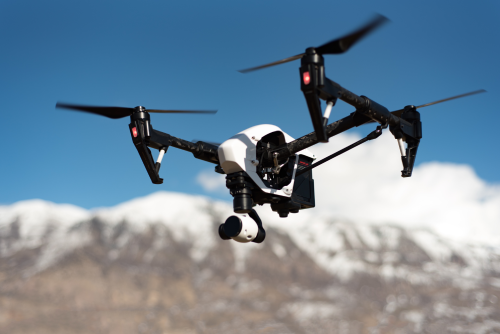
Festival coverage is one of the clearest examples of what drones do well. They can show the scale of a procession, the layout of a venue, and the atmosphere of a celebration in a way that ground cameras usually cannot.
In India, though, using drones at festivals is not as simple as turning up and flying. Public gatherings, religious sensitivity, local permissions, airspace checks, and crowd safety all matter, so good festival coverage is as much about planning as it is about flying.
Quick Take
- Drones are used in festival coverage mainly for venue reveals, procession visuals, crowd scale, decoration overviews, tourism-style storytelling, and highlight videos.
- They work best when paired with ground cameras, not used as the only camera.
- The safest and most practical festival drone shots are usually taken before crowds peak, from the side of a route, or over open areas nearby, not directly above dense gatherings.
- In India, festival flying may involve DGCA-related checks, airspace verification, local police or district restrictions, organiser approval, and venue permission. Always verify the latest official requirements before operating.
- Fireworks, night scenes, smoke, wind, signal congestion, and dense crowds can quickly turn a simple shoot into a risky one.
- A professional-looking festival video usually depends more on planning, timing, and operator discipline than on buying the most expensive drone.
What drones add to festival coverage
When people ask how drones are used in festival coverage, the real answer is simple: they show context.
A ground camera can capture faces, rituals, dance, music, and close moments. A drone shows where all of that is happening. It helps viewers understand:
- how large the gathering is
- how the route of a procession moves through a city or town
- how a pandal, fairground, stage, or temple complex is laid out
- how lights, decorations, and crowds come together as one scene
- how the event fits into the surrounding landscape
This is why drone footage is so common in festival recap videos, news packages, tourism films, local event promotions, and sponsor after-movies.
That said, drones are not magic. They do not replace storytelling on the ground. The best festival coverage uses drones for scale and transitions, while ground cameras handle sound, emotion, rituals, and detail.
Main ways drones are used in festival coverage
1. Venue reveal shots
One of the most common uses is the opening reveal.
For example, a drone can show:
- a large Durga Puja pandal from above at dawn
- a mela ground before visitors arrive
- a college fest with stage, food stalls, and parking layout
- a temple festival set against hills, water, or city streets
These shots immediately tell the audience where the event is and how big it is.
Best use: early morning or setup hours, when the venue looks clean and the air is calmer.
2. Procession and parade coverage
This is where drones can add dramatic visual value, but also where operators must be most careful.
In festival processions, drones are often used to capture:
- the movement of the procession along a route
- decorated vehicles or chariots from a safe offset
- marching bands, dancers, or traditional performers
- the procession entering or leaving a major junction or open stretch
The key point is that good operators avoid treating a procession like a race track. Flying directly above dense crowds or very close to people is not a smart or safe default.
A better approach is to cover the movement from:
- open side angles
- wider road sections
- nearby clearings
- launch points that allow safe stand-off distance
This gives the editor useful wide shots without creating unnecessary risk.
3. Decoration, lighting, and festival design coverage
Many festivals are visually designed experiences. Drones are useful for showing geometry, symmetry, and scale.
This is especially relevant for:
- pandals and themed entrances
- lighting installations
- rangoli or large decorative ground art
- stage structures and fair layouts
- waterfront or riverside festival setups
Even a simple slow rising shot can make a local event look more premium and professionally documented.
4. Crowd scale and atmosphere
Organisers, media teams, and sponsors often want footage that shows turnout and energy.
Drones help capture:
- queues and entry flow
- the size of an audience facing a stage
- crowd patterns in a fairground
- the “big event” feeling for recap videos
But crowd shots need judgment.
Good festival coverage is not about buzzing low over people to make them wave at the drone. It is about showing atmosphere without becoming intrusive or unsafe. In many cases, the best result comes from a higher, wider shot taken from the edge of the action.
5. Social media highlights and promotional reels
A short 20- to 60-second clip for Instagram, YouTube Shorts, or WhatsApp promotion often benefits from 3 to 5 strong aerial shots.
Typical uses include:
- a fast venue reveal
- a top-down decorative shot
- a wide procession move
- a sunset crowd shot
- an exit shot pulling away from the festival site
For local event businesses, clubs, colleges, tourism boards, and organisers, drone footage often raises the perceived quality of the event more than many other visual upgrades.
6. News and documentary coverage
Local media and documentary teams use drones to show:
- the scale of participation
- traffic and route context
- the setting around the celebration
- before-and-after visuals of festival locations
This works well when the drone is treated as a context camera, not as the only source of information. Interviews, ambient sound, and ritual details still need ground coverage.
7. Sponsor, organiser, and stakeholder reporting
After the event, organisers may need proof of execution, sponsor visibility, and attendance context.
Drone coverage can help document:
- branded stage placement
- crowd distribution across zones
- stall areas and activations
- parking and access arrangements
- overall production value
This is useful for future funding, sponsor renewals, and planning the next edition.
8. Limited operational monitoring
In some cases, authorised teams may use drones for broad visual awareness of a route or venue. This is more sensitive than creative filming and should only happen under proper authority, clear coordination, and current legal compliance.
For most creators and small businesses, this is not the main use case. The practical focus remains visual coverage, not surveillance.
Where drones help most in festival coverage
| Use case | What the drone adds | Best practice |
|---|---|---|
| Venue reveal | Scale, layout, location context | Shoot before peak crowds |
| Procession coverage | Shows movement through streets or open areas | Film from the side or over open sections |
| Decoration coverage | Captures symmetry and design | Fly during calm light and lower wind |
| Crowd atmosphere | Shows turnout and energy | Avoid intrusive low flights over people |
| Promo reels | Makes short edits look more cinematic | Plan 3 to 5 must-have shots |
| Sponsor recap | Documents setup and attendance visually | Combine with ground shots for detail |
A practical festival drone workflow
Festival coverage looks exciting on screen, but the workflow behind it should be controlled and predictable.
1. Define what the final video needs
Before flying, ask:
- Is this for news, a recap film, tourism promotion, or sponsor delivery?
- Does the client want scale, beauty, turnout proof, or route coverage?
- Will the final edit be horizontal, vertical, or both?
This affects everything from take-off points to the type of shot list you prepare.
2. Verify permissions and airspace
Do not assume a festival automatically allows drones just because it is public.
You may need to verify:
- whether the event organiser allows drone operations
- whether the venue owner or temple trust permits filming
- whether local police or district authorities have issued restrictions
- whether the area falls under restricted or sensitive airspace
- whether your drone and operation meet current Indian compliance requirements
Rules can change, and temporary restrictions are common around major events. Check the latest official guidance before the shoot.
3. Do a site recce
A recce is a pre-visit inspection of the location.
Look for:
- safe take-off and landing areas
- power lines
- trees, poles, stage trusses, and flags
- narrow streets and dead zones for signal
- emergency vehicle routes
- crowd entry and exit patterns
- open zones where wide shots are possible without crowd overflight
A 20-minute recce can prevent most on-site mistakes.
4. Build a shot list around time windows
Festival shoots are all about timing.
Plan separate windows for:
- pre-crowd venue shots
- golden hour exteriors
- procession arrival or departure
- stage crowd wide shots
- exit shot after the main activity
If you wait until the crowd is fully packed and then start deciding what to shoot, your safest options shrink quickly.
5. Assign crew roles
Even on a small job, roles help.
A basic team may include:
- pilot
- visual observer or spotter
- ground camera operator
- coordinator from the organiser’s side
The spotter is especially useful in festival coverage because the pilot cannot watch both the drone screen and the full surrounding environment at the same time.
6. Fly short, deliberate missions
Do not keep the drone in the air just because the scene looks good.
Better method:
- Launch for a specific shot.
- Capture the movement cleanly.
- Return and reassess.
- Change position if needed.
- Launch again only when the next shot is clear.
This protects batteries, reduces decision fatigue, and lowers risk.
7. Capture backups
Festival scenes change quickly. If you get one clean venue reveal or one good procession pass, repeat a safer variation if conditions allow.
Editors love options. Pilots love having a backup when one shot has too much shake, haze, or unwanted movement.
8. Hand over context, not just pretty clips
Useful festival coverage usually includes:
- a wide establishing shot
- a moving shot with clear direction
- one or two static top or high-angle overviews
- a closing pull-away or rise
That gives the editor a beginning, middle, and end.
Best timing for festival drone coverage
The best festival drone footage is often captured when the event is not yet at maximum chaos.
Most useful windows
- Early morning: clean light, less wind, fewer people
- Late afternoon: warm light and better texture
- Just before the main rush: venue still visible, but activity has begun
- After the crowd thins: easier exit shots and structure coverage
More difficult windows
- Night: low light increases image noise and reduces visibility
- During fireworks: smoke, distraction, falling debris, and unpredictability
- Midday: harsh light and flatter visuals
- Strong wind periods: harder control and shakier footage
If the festival is primarily a night event, it becomes even more important to confirm whether the operation is legally permitted and practically safe. Many small drones struggle in low light even when the scene looks bright to the eye.
What equipment matters most
You do not always need the biggest drone for festival coverage.
What matters more is:
- reliable flight stability
- a good camera stabiliser, called a gimbal
- predictable battery performance
- strong GPS positioning
- good obstacle awareness, while remembering it is not foolproof
- enough spare batteries for short planned sorties
- a simple backup plan if the drone cannot be flown
A telephoto or longer-lens camera on the ground can also be a smart companion. It lets the team get close-looking shots from a safer distance, which is often useful during processions and religious events.
FPV drones may look exciting online, but they are usually a poor fit for public festival coverage unless the shoot is highly controlled, closed off, and handled by specialists. For most real festivals, a standard camera drone is the practical choice.
Safety, legal, and compliance considerations in India
This is the section many beginners skip, and it is the one that matters most.
Festival coverage often combines multiple risk factors:
- dense public gatherings
- religious locations
- urban airspace
- temporary structures
- night activity
- processions moving through public roads
- police-managed traffic
- fireworks or pyrotechnics
Because of that, treat every festival job as a special operation, not a casual weekend flight.
What to verify before flying
- Current DGCA-related operating requirements for your drone category and purpose
- Airspace status and any Digital Sky-related checks that apply
- Local police instructions and district administration restrictions
- Organiser and venue permission
- Any special restrictions around temples, riverfronts, heritage areas, or government-controlled sites
- Whether the operation involves timing or conditions that require extra approvals
Practical safety rules that matter on the ground
- Do not launch from the middle of a moving crowd.
- Avoid flying directly over dense gatherings unless you have clear authority, legal basis, and a robust safety case.
- Maintain stand-off distance from people, vehicles, and structures.
- Keep clear of fireworks, smoke plumes, cables, masts, and stage rigging.
- Have a clear return and landing area that will remain clear.
- Use a spotter whenever possible.
- Stop flying if the crowd starts pressing into your launch zone.
- Respect privacy and the religious nature of the event.
Also consider insurance if it is relevant to your work and client requirement. Do not assume event organisers have covered your operation.
If anything is unclear, pause and verify. A missed shot is better than an unsafe or non-compliant flight.
Common mistakes in festival drone coverage
Treating the drone as the whole production
A drone gives wide visuals, not complete storytelling. Without ground audio, close-ups, and human moments, the final video can feel empty.
Flying too low for drama
Low flying may look exciting in a quiet field. In a public festival, it can be intrusive, unsafe, and unnecessary. Height and distance often produce a cleaner and more professional result.
Arriving without a recce
Festivals change spaces quickly. A road that looks open on a map may be full of cables, banners, barricades, and people on the day.
Ignoring local sensitivity
Not every religious or community setting welcomes aerial filming. Even where it is legally possible, poor communication can create conflict.
Overshooting and draining batteries
Many beginners record endlessly and then miss the one moment that mattered. Plan short missions around key beats.
Depending on night footage from a small drone
What looks magical in person may look muddy and noisy in the footage. Test expectations before promising a client a “cinematic night aerial”.
Not having a no-fly backup plan
Sometimes the best decision is not to fly. Good teams plan alternate coverage using rooftops, gimbals, monopods, or elevated ground positions.
India-specific festival scenarios
Here is how drone use often works in real situations.
Durga Puja or pandal coverage
The drone is most useful for exterior reveals, early-morning layout shots, and neighbourhood context. Interior details, idol close-ups, and crowd interaction are better handled on the ground.
Ganesh procession or immersion route
Instead of chasing the densest part of the crowd, the operator can capture the route from an open stretch, a bridge-adjacent legal vantage area if permitted, or a wider road segment before congestion peaks.
College cultural fest
This is one of the easiest festival-style drone jobs when the campus permits it. Drones help show stage setup, crowd layout, campus scale, and sponsor branding, usually during daylight and with clearer control of the site.
Rural mela or open fairground
These locations can be ideal for drone coverage because open space makes launch, recovery, and safe stand-off easier. Still, local permission and crowd movement need planning.
Should every festival use a drone?
No.
A drone is a good fit when:
- the venue has open space
- there is a strong location element
- the organiser wants a premium recap video
- the event has clear time windows for safe flying
- compliance and permissions can be confirmed
A drone may be a poor fit when:
- the area is too congested
- the event is mainly indoors
- the key moments happen under structures
- the site is near sensitive or restricted airspace
- the event depends heavily on fireworks or night activity
- the organiser wants risky “fly through the crowd” footage
Sometimes the smartest decision is to use the drone only for 10 minutes of the day and rely on ground cameras for the rest.
FAQ
Do drones replace ground cameras in festival coverage?
No. Drones add scale and context. Ground cameras still do the most important work for faces, performances, rituals, interviews, audio, and close details. The best festival coverage combines both.
Can I fly a drone over a festival crowd in India?
Do not assume you can. Public gatherings are sensitive, and current legal, airspace, and safety requirements must be checked carefully. Verify official DGCA-related guidance, local restrictions, and event permissions before planning any such operation.
Are drones useful for small local festivals too?
Yes, especially for venue reveals, route overviews, and short promotional videos. Even a small event can look more organised and visually engaging with a few well-planned aerial shots.
Is night festival coverage a good use case for drones?
Only sometimes. Low light, smoke, temporary lighting, and visibility issues make night operations harder. Also verify whether the operation is legally allowed under current rules and permissions before promising night aerials.
What is the safest time to shoot festival drone footage?
Usually early morning, setup time, or just before peak crowding. These windows offer cleaner visuals, lower wind, and more room to launch and recover safely.
How many drone shots are usually enough for a festival recap video?
Often 5 to 10 useful shots are enough. One strong venue reveal, one movement shot, one crowd overview, one decorative angle, and one closing shot can carry an edit if the ground footage is good.
Can beginners take festival drone jobs?
Beginners should be cautious. Festival coverage involves crowds, pressure, and fast-changing conditions. It is better to start with small controlled events, campus shoots, or open fairgrounds before taking on dense public celebrations.
What should organisers ask a drone operator before hiring?
Ask about compliance awareness, festival experience, site recce process, safety planning, backup plans, and whether the operator can work smoothly with a ground video team. Showreels matter, but planning discipline matters more.
Final takeaway
Drones are most useful in festival coverage when they do one job well: show the scale, setting, and movement of the celebration without compromising safety or compliance. If you are planning a festival shoot in India, start with permissions, airspace checks, and a tight shot list first, then decide whether the drone adds real value or whether the ground camera should do most of the work.
