
Introduction
Drones have quickly become one of the most exciting tools and hobbies across India. Whether you look up at a wedding celebration, spot a drone mapping a farm, or watch stunning aerial videos of Indian mountains and beaches, unmanned aerial vehicles are everywhere. What used to be expensive equipment used only by military or large corporations is now available to everyday creators, farmers, students, and hobbyists.
If you are new to this world, it is completely normal to feel a bit overwhelmed. You might wonder how something so small stays stable in the wind, what kind of camera it needs, or how to legally fly one in India without breaking the law.
This guide is designed to make things simple. We will walk through everything you need to know about drones in India, from basic parts and types to safety, buying tips, and the current rules set by Indian aviation authorities. If you ever need further resources or specific guides down the road, platforms like DronesNow offer helpful insights for beginners entering this space. Let us start from the absolute beginning.
What Is a Drone?
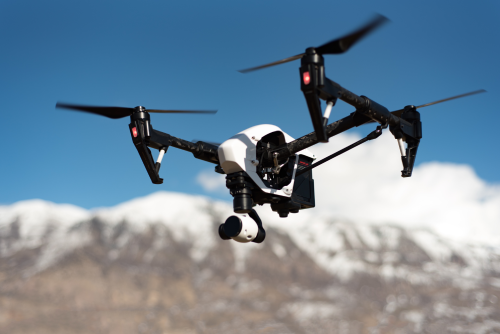
At its simplest, a drone is an aircraft with no human pilot sitting inside it. The proper technical term is an Unmanned Aerial Vehicle (UAV) or an Unmanned Aircraft System (UAS).
Unlike a traditional airplane, which requires a pilot in a cockpit or a complex commercial setup, a drone is controlled remotely from the ground. Some drones are flown using a handheld controller paired with a smartphone or tablet screen, while others can follow pre-programmed flight paths using internal software and satellite signals.
The main difference between a regular aircraft and a drone comes down to scale, weight, and operation. A normal aircraft carries passengers and crew, weighs tons, and requires heavy infrastructure. A beginner drone can weigh as little as a few hundred grams, fit inside a small backpack, and take off from your backyard or an open park.
How Do Drones Work?
You do not need an engineering degree to understand how a drone flies. At its core, a drone balances physics and electronics to lift off the ground and move smoothly through the air.
- Motors: Small, high-speed electric motors spin the propellers. Most drones have four motors and four propellers, which is why they are often called quadcopters.
- Propellers: As the propellers spin rapidly, they push air downward. This downward push creates an upward force called lift, which pulls the drone up into the air.
- Battery: Drones run on rechargeable lithium-ion or lithium-polymer batteries. Because electric flight requires a lot of energy, standard beginner drone batteries generally provide around 15 to 30 minutes of flight time per charge.
- Flight Controller: Think of this as the brain of the drone. It is a small computer board filled with gyroscopes and accelerometers. It makes thousands of tiny adjustments every second to keep the drone steady and level.
- Remote Controller: This is the tool you hold in your hands. It translates your finger movements on the joysticks into digital commands sent wirelessly to the drone.
- GPS (Global Positioning System): GPS modules help the drone know its exact location on Earth. This allows the drone to hover in one spot without drifting, return home automatically if the battery gets low, or follow a set path.
- Sensors: Modern drones feature electronic sensors like compasses, altitude meters, and obstacle-avoidance systems that help prevent crashes.
- Camera: Many consumer drones include a built-in camera mounted on a stabilization unit, allowing you to capture smooth photos and videos from high above.
Main Parts of a Drone
To feel comfortable buying or operating a drone, it helps to recognize its physical anatomy. Here are the core components that make up a standard consumer drone:
| Part Name | What It Does | Why It Matters |
| Frame | The main body skeleton that holds all electronic and mechanical parts together. | Must be lightweight yet sturdy to absorb minor bumps. |
| Motors | Electric power units that spin the propellers at high speeds. | High-quality motors ensure smooth, reliable flight and quick response. |
| Propellers | Plastic or carbon-fiber blades that push air to generate lift. | Damaged or cracked propellers can cause crashes; they must be inspected regularly. |
| Battery | The portable power source that fuels the motors and electronics. | Determines how long you can fly before needing a recharge. |
| Flight Controller | The central processing unit managing stability and motor speed. | Keeps the drone balanced against wind and control inputs. |
| GPS Module | Connects to satellites for precise positioning and navigation. | Enables safe hover features and automated return-to-home functions. |
| Remote Controller | The handheld interface used by the pilot to steer the drone. | Provides physical joysticks and links to a live video feed screen. |
| Camera | Captures high-definition photos and videos from the air. | The primary tool for aerial creators, photographers, and inspectors. |
| Gimbal | A motorized pivoting mount holding the camera steady. | Absorbs shakes and vibrations so your aerial footage looks cinematic instead of blurry. |
| Sensors | Optical or infrared detectors that scan for trees, walls, or wires. | Helps prevent accidental crashes by warning the pilot or stopping the drone. |
Different Types of Drones
Not all drones are built for the same purpose. Depending on what you want to achieve, you will find several distinct categories on the market:
- Toy Drones: These are small, lightweight, inexpensive drones designed mostly for indoor play or absolute beginners learning basic stick controls. They usually lack advanced GPS and high-quality cameras.
- Camera and Consumer Drones: The most popular category for everyday users, vloggers, and travelers. These feature reliable GPS, smart flight modes, and high-definition cameras stabilized by gimbals.
- Racing and FPV (First Person View) Drones: Built for speed and agility. Pilots wear video goggles that show a live camera feed from the front of the drone, making it feel like you are sitting inside the cockpit. These require advanced piloting skills.
- Agricultural Drones: Large, specialized multirotors designed for farming tasks like crop monitoring, mapping large fields, and liquid spraying where legally permitted.
- Mapping and Surveying Drones: Equipped with high-precision cameras and specialized sensors to create 3D maps, topographical models, and site surveys for construction or real estate.
- Industrial Inspection Drones: Built to inspect hard-to-reach areas like wind turbines, power lines, cell towers, and industrial pipelines safely.
Drone Categories in India
Under Indian aviation regulations established by the Directorate General of Civil Aviation (DGCA), drones are officially classified based on their weight (including payload). Understanding these weight categories is crucial because different rules apply to each group:
- Nano Drone: Weighing less than or equal to 250 grams. These are popular for beginners and casual hobbyists, often having relaxed operational requirements compared to heavier aircraft.
- Micro Drone: Weighing greater than 250 grams and less than or equal to 2 kilograms.
- Small Drone: Weighing greater than 2 kilograms and less than or equal to 25 kilograms.
- Medium Drone: Weighing greater than 25 kilograms and less than or equal to 150 kilograms.
- Large Drone: Weighing greater than 150 kilograms.
It is important to note that weight classification determines registration, certification, and permission requirements rather than just the shape or color of the device.
What Can Drones Be Used For?
Drones are no longer just toys for weekend entertainment. Across India, they serve practical purposes in many industries:
- Photography and Videography: Capturing breathtaking wedding scenes, travel vlogs, cinematic film shots, and real estate showcases from unique high-angle perspectives.
- Agriculture: Farmers use drones to inspect crop health across large fields, spot irrigation issues, and apply inputs accurately where permitted and certified.
- Mapping and Surveying: Civil engineers and land surveyors use aerial mapping to measure land plots, track construction progress, and plan infrastructure projects efficiently.
- Infrastructure Inspection: Checking bridges, solar panels, tall buildings, and telecom towers without putting human workers at risk.
- Disaster Support and Search: Emergency response teams deploy drones to locate stranded people during floods, fires, or earthquakes, providing a clear aerial view of disaster zones.
Drones for Photography and Videography
If you are entering the drone world because you love taking pictures, camera drones will be your primary focus. Modern consumer camera drones offer stunning capabilities, but choosing the right one means understanding a few core features.
Camera quality matters, but sensor size and resolution dictate how clean your images look, especially in low light. More importantly, image stabilization is critical. Without a motorized gimbal, your video will shake violently with every gust of wind. A good gimbal acts like a shock absorber, keeping the horizon level and your footage smooth.
Flight time is another factor. While manufacturers advertise 30 minutes of battery life, real-world conditions like wind and aggressive steering mean you will likely land closer to 20 or 22 minutes. Buying a package with extra batteries is always a smart choice for photography enthusiasts.
Drones for Agriculture
Agriculture is one of the fastest-growing sectors for drone technology in India. Drones help farmers look at their land from a perspective that ground-level checks simply cannot match.
Using specialized multispectral cameras, agricultural drones can highlight stressed crops long before visible damage appears to the naked eye. This helps farmers apply water, nutrients, or crop protection treatments only where needed, saving resources and protecting yields.
However, agricultural drone operations in India are strictly regulated. Spraying operations require certified equipment, proper pilot training, adherence to chemical handling guidelines, and compliance with local agricultural authority rules. It is not an activity where anyone can buy a heavy drone and start flying over fields without proper credentials.
Drones for Mapping and Surveying
Traditional land surveying required weeks of physical ground measurements using tripods and measuring tools. Today, a survey drone can fly over a construction site or land plot in twenty minutes, capturing hundreds of high-overlap photos.
Specialized software then stitches these photos together into accurate 2D orthomosaics and 3D terrain models. This data helps civil engineers calculate earthwork volumes, plan drainage, and monitor project milestones. Professional surveying requires precise GPS equipment, flight planning software, and trained operators who understand coordinate systems and airspace rules.
How to Choose Your First Drone
Buying your first drone can feel exciting, but impulse purchases often lead to frustration or broken gear. Use this simple checklist to guide your decision:
- Define Your Purpose: Are you practicing casual flight, shooting vacation videos, learning aerial photography, or studying for a professional career? Buy according to your actual use case.
- Set a Realistic Budget: Remember that your budget must cover not just the drone, but extra batteries, a carrying case, spare propellers, and any required accessories.
- Prioritize Ease of Control: Look for beginner-friendly features like GPS stabilization, auto-hover, and a reliable Return-to-Home button. These features prevent crashes while you are learning.
- Check Flight Time: Real-world flight time is shorter than specification sheets suggest. Aim for a model that offers at least 20 minutes per battery.
- Look for Safety Features: Obstacle-sensing sensors and geofencing capabilities can save your drone from hitting trees or flying into restricted zones.
- Verify Repair Support: Accidents happen, especially to beginners. Check if spare parts, replacement propellers, and customer service support are easily accessible in India.
How Much Does a Drone Cost in India?
Drone prices in India vary significantly based on build quality, camera capabilities, brand, and intended use.
- Toy and Practice Drones: These usually range from affordable entry-level brackets (a few thousand rupees), perfect for learning basic orientation without risking expensive equipment.
- Mid-Range Consumer Drones: Ranging from moderate to higher price tiers, these offer 4K cameras, robust GPS, multi-directional obstacle sensing, and solid battery life. These represent the sweet spot for serious hobbyists and content creators.
- Professional and Industrial Drones: Advanced camera drones, heavy-lift agricultural sprayers, and high-precision mapping drones cost substantially more and are meant for commercial enterprises and certified operators.
When planning your budget, always factor in hidden costs such as extra batteries, memory cards, carrying bags, maintenance, and potential replacement parts.
How to Fly a Drone for the First Time
Your first flight should always take place in a wide-open, outdoor space free from people, power lines, and trees. Follow these steps for a smooth maiden flight:
- Read the Manual: Do not skip the user manual. Understand how the power button works, how to pair the controller, and what emergency stop procedures exist.
- Inspect the Drone: Check that your propellers are free of cracks, the battery is securely locked in, and the camera gimbal cover has been removed.
- Check the Environment: Choose a calm, clear day. Avoid windy conditions, rain, or low-visibility fog.
- Calibrate the Compass: Follow the on-screen prompts on your controller app to calibrate the compass away from metal objects or magnetic interference.
- Establish a Home Point: Wait for the drone to lock onto a strong GPS signal so it knows where to return if signal loss occurs.
- Take Off Slowly: Gently push the throttles or execute an automated takeoff, letting the drone hover about 1.5 meters off the ground to test stability.
- Practice Basic Movements: Practice gentle forward, backward, left, right movements, and smooth turns before trying anything complex.
Basic Drone Controls Explained
Understanding how a standard remote controller moves a quadcopter makes learning much easier. Most controllers use two joysticks:
- Throttle (Left Stick Up/Down): Controls vertical movement. Pushing it up makes the drone climb higher; pulling it down lowers altitude.
- Yaw (Left Stick Left/Right): Controls rotation. Moving it left or right turns the nose of the drone in a circle without changing its physical position in the air.
- Pitch (Right Stick Up/Down): Controls forward and backward movement. Pushing forward tilts the drone forward so it flies ahead.
- Roll (Right Stick Left/Right): Controls side-to-side movement. Pushing left or right makes the drone slide laterally in that direction.
Important Drone Safety Tips for Beginners
Safety should always be your top priority when operating any unmanned aircraft. Keep these golden rules in mind:
- Maintain Visual Line of Sight: Always keep your eyes directly on the drone. Do not rely entirely on the phone screen.
- Check Weather Conditions: High winds, sudden rain gusts, and poor light can cause you to lose control of your aircraft.
- Stay Away from Crowds: Never fly directly over people, public gatherings, sports stadiums, or moving traffic.
- Beware of Obstacles: Keep a safe distance from trees, utility poles, overhead wires, and buildings. Wires are notoriously difficult for drone cameras to spot.
- Monitor Battery Levels: Always land with at least 20% to 25% battery remaining so your drone has enough power to return home safely against unexpected headwinds.
Drone Rules in India
India has a structured legal framework governing drone operations, overseen by the Ministry of Civil Aviation and the Directorate General of Civil Aviation (DGCA). These rules exist to ensure public safety and airspace security.
Key Regulatory Concepts:
- Digital Sky Platform: India’s official online portal for drone registration, airspace clearance, and regulatory compliance.
- Airspace Zones: Indian airspace is categorized into color-coded zones:
- Green Zone: Airspace where no prior permissions are required for operational flights up to specific altitudes.
- Yellow Zone: Controlled airspace where permission from air traffic control or local authorities is mandatory before flying.
- Red Zone: Strictly restricted airspace where flying drones is prohibited without special high-level central government clearance.
- Registration: Most drones operating in India must be registered on the Digital Sky platform, receiving a unique identification number where applicable under current guidelines.
- Pilot Certification: Depending on the weight category and intended use (commercial vs. recreational nano flights), remote pilot training or certification from authorized training organizations may be required.
Always verify the latest official updates on the Digital Sky portal before planning any flight, as regulations and airspace maps can be updated.
What Is Digital Sky?
Digital Sky is the single-window digital platform created by the Indian government for managing drone activities across the country. It bridges the gap between drone operators and aviation authorities.
Through the Digital Sky platform, users can check interactive airspace maps (showing green, yellow, and red zones), apply for required permissions, register drones, and review compliance guidelines. Familiarizing yourself with Digital Sky is an essential step for any responsible drone owner in India.
Drone Registration in India
Under current Indian drone rules, registration requirements depend on the weight category and operation type of your aircraft. Nano drones (under 250 grams) used for non-commercial recreational purposes often have exemptions from certain stringent registration steps, but heavier micro, small, and medium drones require formal registration on the Digital Sky platform.
Always ensure your device is properly registered and complies with applicable identification tagging rules before taking it out into public spaces.
Do You Need a Drone Pilot Certificate?
Not every drone user in India requires a formal remote pilot certificate. For instance, casual hobbyists flying nano drones in green zones generally do not need a pilot license.
However, if you operate micro or larger drones, or if you fly for commercial purposes (such as professional surveying, agricultural spraying, or commercial videography), completing certified training from an authorized remote pilot training organization (RPTO) and holding a valid remote pilot certificate is mandatory under DGCA guidelines.
Where Can You Fly a Drone in India?
You cannot fly a drone just anywhere you like. Airspace is strictly managed to protect commercial aircraft, defense installations, and public safety.
- Permitted Areas: Open fields, designated parks, and rural areas classified as Green Zones on the Digital Sky map where altitude limits are respected.
- Prohibited Areas: Never fly near airports, military bases, government buildings, international borders, crowded public events, or railway stations. Flying in Red Zones or unapproved Yellow Zones without clearance can lead to severe legal penalties, confiscation of equipment, and fines under Indian law.
Drone Maintenance for Beginners
Taking care of your drone ensures it lasts longer and flies safely. Simple maintenance habits make a big difference:
- Clean After Every Flight: Gently wipe dust, dirt, and insect residue off the body, camera lens, and sensor windows using a microfiber cloth.
- Inspect Propellers: Check propeller blades for nicks, scratches, or hairline cracks before every flight. Replace damaged blades immediately.
- Proper Battery Storage: Store lithium batteries in a cool, dry place at around 50% to 60% charge if you do not plan to use them for a few weeks. Never leave batteries in direct hot sunlight or inside a parked car.
- Keep Firmware Updated: Install manufacturer software and firmware updates through the official app to ensure optimal performance and security fixes.
Drone Battery Basics
Your drone’s battery is its lifeline. Treat it with care:
- Always use the official charger provided by the manufacturer.
- Never puncture, drop, or crush a battery.
- Allow a warm battery to cool down for a few minutes after a flight before plugging it in to recharge.
- If a battery swells or shows physical damage, stop using it immediately and dispose of it responsibly according to local electronic waste guidelines.
Common Mistakes Beginners Make
Learning to fly is a journey, but avoiding common pitfalls will save you time and money:
- Skipping the Manual: Assuming you already know how to fly without reading safety instructions.
- Ignoring Weather Warnings: Flying in strong winds because you are excited, leading to loss of control.
- Neglecting Battery Monitoring: Focusing entirely on camera shots and realizing too late that the battery is at 5%.
- Flying Indoors Without Propeller Guards: Trying tight living room maneuvers without protection and damaging furniture or blades.
- Not Checking Airspace Apps: Flying in restricted zones without realizing it is illegal.
Drone Buying Checklist for Beginners
Before you make your final purchase, run through this quick checklist:
- [ ] Does the drone fit my primary purpose (photography, learning, hobby)?
- [ ] Is the price within my budget, including extra batteries and accessories?
- [ ] Does it feature reliable GPS and auto-return safety functions?
- [ ] Are spare parts and customer support easily available in India?
- [ ] Have I checked whether my drone category requires registration or training?
Drone Technology in India
Drone technology in India is evolving rapidly across diverse sectors. In agriculture, precision spraying and crop mapping are transforming traditional farming practices. In infrastructure, drones inspect highways, bridges, and solar energy farms with high efficiency.
As technology advances, we see improvements in battery density, obstacle avoidance systems, and autonomous flight software, making drones safer, smarter, and more accessible than ever before.
How to Become a Professional Drone Pilot
If you want to turn your interest in drones into a professional career, follow a structured path:
- Master the Basics: Spend hours practicing safe flight controls with an entry-level drone.
- Understand the Law: Study Indian aviation rules, airspace classifications, and Digital Sky guidelines thoroughly.
- Get Certified: Enroll in an authorized Remote Pilot Training Organization (RPTO) approved by the DGCA to earn your commercial remote pilot certificate.
- Build Practical Experience: Gain hands-on experience in specialized fields like aerial cinematography, land surveying, or agricultural monitoring.
Drone Careers and Job Opportunities
Professional drone operators are finding opportunities across multiple fields in India:
- Aerial Cinematography: Working with film production houses, wedding planners, and YouTube creators.
- Land Surveying & GIS: Partnering with civil engineering firms and government mapping projects.
- Agricultural Services: Operating crop-monitoring and spraying drones for farming cooperatives.
- Industrial Inspection: Inspecting wind turbines, cell towers, and large-scale solar power plants.
Frequently Asked Questions
What is a drone?
A drone is an unmanned aerial vehicle (UAV) that can fly via remote control or automated flight programming without a pilot on board.
How does a drone work?
A drone works by spinning multiple propellers with electric motors to create lift, managed by an onboard flight controller, GPS, and sensors responding to pilot controls.
Which drone is good for beginners?
Drones under 250 grams with built-in GPS, stable hover features, and reliable obstacle detection are ideal for beginners.
How much does a drone cost in India?
Prices range from a few thousand rupees for simple practice models to higher tiers for advanced 4K camera drones and specialized commercial units.
Do drones need registration in India?
Most drones require registration on the Digital Sky platform, though lightweight nano drones used for recreation have specific exemptions.
Do I need a drone pilot certificate in India?
Casual hobbyists flying nano drones in green zones generally do not need a certificate, but commercial operators and those flying heavier categories require DGCA-approved training and certification.
Where can I fly a drone in India?
You can fly in designated green zones after checking airspace maps, while red and yellow zones require strict permissions or are completely prohibited.
What is Digital Sky?
Digital Sky is the official Indian government portal used for drone registration, airspace management, and regulatory compliance.
Can I use a drone for photography?
Yes, camera drones are immensely popular for photography and videography, provided you follow local privacy and airspace regulations.
What should beginners check before flying a drone?
Beginners should check weather conditions, battery health, propeller condition, surroundings for obstacles, and airspace status on Digital Sky.
Conclusion
Drones open up an incredible new perspective of the world around us, offering exciting possibilities for hobbies, creative expression, photography, farming, and professional careers in India. Understanding the basics of how drones work, choosing the right model for your needs, mastering fundamental controls, prioritizing safety, and staying fully informed of Indian drone rules will ensure you have a rewarding and trouble-free flying experience. To explore further guides, training resources, and expert tips as you begin your drone journey, visit DronesNow to discover valuable information tailored for beginners and enthusiasts alike.
