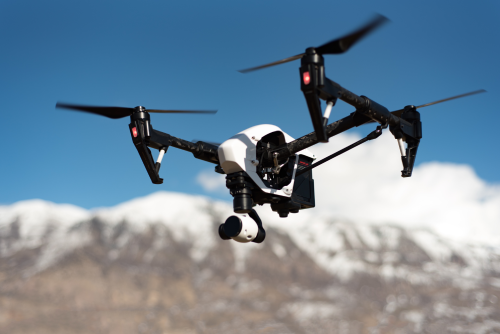
The best drones for freelancers are not always the most expensive ones. For Indian creators, photographers, real estate shooters, inspectors, and small businesses, the right drone is the one that gives reliable results, fits the job, and does not become a support headache after purchase.
If you are buying your first paid-work drone, think beyond camera quality. Batteries, service support, flight safety, legal compliance, and workflow speed matter just as much as headline specs.
Quick Take
- For most freelancers, a standard camera drone is a better first buy than an FPV drone.
- If you want one all-round recommendation, the DJI Air 3 is the safest middle ground for many paid jobs.
- If portability matters most, the DJI Mini 4 Pro is the strongest lightweight option.
- If your budget is tight, the DJI Mini 3 is still a sensible starter for early freelance work.
- If you shoot premium campaigns or luxury real estate, the DJI Mavic 3 Pro earns its place.
- If you do inspections or mapping, look at enterprise drones such as the Mavic 3 Enterprise rather than a regular content drone.
- In India, after-sales support, spare batteries, invoice clarity, and repair turnaround are often more important than a small spec difference.
- Before any client job, verify the latest DGCA and Digital Sky requirements for your exact drone, airspace, and use case.
What makes a drone good for freelance work?
A freelancer needs more than a drone that looks good on YouTube. Paid work is about consistency.
Here is what actually matters.
1. Reliable image quality
Clients usually care about three things:
- Is the footage stable?
- Is it sharp and well exposed?
- Can you deliver fast?
A slightly older drone with dependable results is often better than a flashy model with limited local support.
2. Strong safety features
Obstacle sensing means the drone can detect objects around it and help avoid collisions. It is not a magic shield, but it reduces risk.
For paid work, especially around buildings, trees, resorts, or event venues, good sensing and a trustworthy return-to-home system are worth paying for.
3. Wind handling
A tiny drone is easy to carry, but larger drones usually handle wind better. This matters in coastal areas, open plots, rooftops, hill stations, and construction sites.
4. Battery ecosystem
One battery is a hobby setup. A freelance setup usually needs at least three.
You do not want to pause a client shoot because you underestimated flight time, charging time, or travel between locations.
5. Portability
A drone that stays in your bag and is quick to deploy gets used more. For solo creators, wedding teams, and travel shooters, portability can directly affect revenue.
6. Repairability and local support
This is a major India-specific factor.
Before buying, ask:
- Can you get genuine propellers and batteries easily?
- Who repairs the controller, gimbal, or motors?
- Is there a written warranty?
- Is there a proper invoice?
- How long does service usually take?
A drone is a work tool. Downtime costs money.
7. Workflow fit
Think about the final deliverable:
- Vertical reels for social media
- Wide real estate shots
- Premium cinematic video
- Site progress photos
- Roof and facade inspection
- Mapping and survey
Different jobs reward different drones.
Best drones for freelancers
The models below are the most sensible options for common freelance use cases. In India, availability can vary, especially for imported consumer drones, so buy only through a trusted seller who can clearly explain support and accessories.
Quick comparison table
| Drone | Best for | Why it stands out | Main trade-off |
|---|---|---|---|
| DJI Air 3 | Most freelancers | Excellent all-round balance of camera flexibility, safety, and endurance | Bigger and costlier than Mini-class drones |
| DJI Mini 4 Pro | Solo creators, travel, social media, light commercial work | Very portable, capable, easy to carry daily | Less confidence in strong wind or demanding jobs |
| DJI Mavic 3 Pro | Premium commercial video and high-end deliverables | More image flexibility and stronger professional output | Expensive full kit, more overkill for beginners |
| DJI Mini 3 | First-time buyers, students, side hustlers | Strong value and easy entry into paid work | Fewer advanced safety features than newer options |
| DJI Avata 2 | FPV reels, action promos, indoor dynamic shots | Unique immersive motion conventional drones cannot match | Specialist tool, separate learning curve |
| DJI Mavic 3 Enterprise | Inspection, mapping, industrial freelancing | Better fit for survey and enterprise workflows | Specialized, higher total cost, software matters |
| Autel EVO Lite+ | Buyers considering a non-DJI camera drone | Solid conventional drone platform | Support ecosystem in India may be less predictable |
DJI Air 3
Best overall drone for most freelancers
If you ask for one practical answer to “best drones for freelancers,” the DJI Air 3 is the most balanced pick for many people.
It suits:
- Real estate shooters
- Wedding and pre-wedding teams
- Travel content creators
- Brand reel creators
- Construction progress photographers
- Small production teams
Why it works so well:
- Dual-camera flexibility helps you get both wide and tighter shots without changing aircraft.
- It offers a more confident feel in wind than very small drones.
- It has strong safety features for paid work.
- It travels reasonably well without feeling too compromised.
Why not everyone should buy it:
- It is more expensive than entry options once you add batteries and accessories.
- It is less discreet than a Mini-class drone.
- If your work is mostly social reels and light travel content, a Mini may be enough.
Buy it if you want one main drone that can cover most freelance video and photo work without jumping into a premium flagship budget.
DJI Mini 4 Pro
Best lightweight drone for solo freelancers
The Mini 4 Pro is the best pick for freelancers who want strong capability in the smallest practical package.
It suits:
- Solo creators
- Travel freelancers
- Tourism and hospitality social media work
- Café, resort, and boutique property content
- Quick-turnaround reel makers
Why it is so popular:
- Very easy to carry every day
- Fast to set up on small shoots
- Advanced features in a compact body
- Less tiring to travel with across cities and states
Its biggest advantage is simple: a drone you are willing to carry all the time usually wins more work than a bigger drone left at home.
Limitations:
- Small drones are less reassuring in stronger wind.
- Tiny aircraft can struggle more in demanding light or weather conditions.
- It is excellent for many paid jobs, but not ideal as your only drone if you expect frequent premium commercial work.
Buy it if portability is your top priority and your work is mostly short-form content, travel, real estate exteriors, and agile solo shoots.
DJI Mavic 3 Pro
Best premium drone for high-end freelance work
If your clients expect polished, premium aerial output, the Mavic 3 Pro sits in a different class from smaller drones.
It suits:
- Luxury real estate
- Tourism campaigns
- Production houses
- High-end weddings and destination events
- Brand films
- Cinematic commercial work
Why freelancers choose it:
- Better overall image flexibility
- More room to create polished, premium-looking deliverables
- Stronger fit for clients who want options in framing and grading
But there are real trade-offs:
- The full working kit costs much more once you add batteries, filters, storage, and case.
- It is heavier, more visible, and less casual to deploy.
- It is usually too much drone for beginners still learning client workflow.
Buy it if aerials are a serious revenue line for you, your clients pay for quality, and you can support the higher investment.
DJI Mini 3
Best value drone for first paid jobs
The Mini 3 remains a smart choice for students, new freelancers, and creators moving from hobby work to paid shoots.
It suits:
- Beginners
- College creators starting small gigs
- Local business content shooters
- Side-hustle photographers
- Budget-conscious reel makers
Why it still makes sense:
- Lower entry cost than more advanced models
- Very portable
- Capable enough for many social, travel, and light property jobs
Where you feel the compromise:
- Less safety margin than newer, more advanced drones
- More care needed when flying near obstacles
- Not the best pick for demanding commercial environments
Buy it if you need a real camera drone for early freelance work and want to keep your total investment under control.
DJI Avata 2
Best specialist FPV drone for dynamic freelance shots
FPV means first-person view, where the pilot flies with a more immersive perspective and more aggressive movement style.
The Avata 2 is not the best first drone for most freelancers. But it can be an excellent second drone.
It suits:
- Gym promos
- Automotive reels
- Resort walkthroughs
- Indoor dynamic shots
- Action-heavy social content
- Creator packages that need a standout shot
Why it adds value:
- It creates motion and energy that standard drones usually cannot.
- It is great for one or two “hero” clips that lift an edit.
- Propeller guards help for tighter cinematic movement in the right conditions.
Important warning:
- This is a specialist tool, not a general freelance camera drone.
- Flying in tighter spaces requires skill, planning, and venue permission.
- Many clients still need normal establishing shots, top shots, and calm passes that a regular drone does better.
Buy it after you already have a dependable conventional drone, not before.
DJI Mavic 3 Enterprise
Best for inspection, survey, and industrial freelancers
If your freelance work is moving toward site inspection, infrastructure, roof checks, facade review, or mapping, stop thinking like a content creator and start thinking like an operations provider.
The Mavic 3 Enterprise is better suited for this category than a regular photo-video drone.
It suits:
- Construction documentation
- Roof and solar inspections
- Site progress reporting
- Mapping workflows
- Basic survey and asset review
Why it matters:
- Enterprise workflows differ from cinematic workflows.
- Software compatibility matters more here.
- Accuracy, repeatability, and reporting matter more than “cinematic look.”
Things to check before buying:
- Mapping software compatibility
- Export formats your clients need
- Whether you need RTK, which is a higher-accuracy positioning system
- Data handling requirements
- Pilot training and compliance needs
If you work with industrial, infrastructure, or survey clients, this category can open better-paying opportunities than generic content work.
Autel EVO Lite+
Best alternative if you want a non-DJI standard camera drone
Some freelancers prefer to consider alternatives to DJI. The Autel EVO Lite+ is one of the better-known conventional options in that conversation.
It may suit:
- Buyers who want a non-DJI route
- Users with a dependable local seller and service contact
- Freelancers who value core camera-drone features over ecosystem hype
The catch is practical, not theoretical:
- Service may be less predictable depending on your city
- Accessories may not be as easy to source
- Community learning resources and operator familiarity may be thinner
Buy it only if you have strong confidence in support, batteries, warranty, and repair access where you live.
Which drone fits your freelance job?
Best picks by use case
| Freelance use case | Best fit | Good alternative | Avoid as first buy |
|---|---|---|---|
| Real estate video | DJI Air 3 | DJI Mini 4 Pro | FPV-only setup |
| Travel and tourism content | DJI Mini 4 Pro | DJI Air 3 | Heavy premium drone if you travel constantly |
| Social media brand reels | DJI Mini 4 Pro | DJI Air 3 | Enterprise drone |
| Weddings and pre-weddings | DJI Air 3 | DJI Mavic 3 Pro | Mini-only if you often shoot in windier venues |
| Luxury commercial video | DJI Mavic 3 Pro | DJI Air 3 | Budget starter drone |
| Inspections and site progress | Mavic 3 Enterprise | DJI Air 3 for simple visual work | FPV drone |
| Dynamic action or indoor motion shots | DJI Avata 2 | Standard drone plus gimbal work | Avata as your only drone |
| Student freelancer starting out | DJI Mini 3 | DJI Mini 4 Pro | Flagship premium drone |
How to choose your first freelance drone
If you are stuck between models, use this process.
1. Define the job that will earn first
Ask yourself what will realistically bring revenue in the next six months:
- Property shoots
- Social media reels
- Travel content
- Weddings
- Construction progress
- Inspections
Do not buy for a dream niche before you have actual demand.
2. Decide whether you need camera quality, flexibility, or specialty motion
- Need a reliable all-rounder: choose Air 3
- Need portability first: choose Mini 4 Pro
- Need premium output: choose Mavic 3 Pro
- Need low-cost entry: choose Mini 3
- Need FPV movement: choose Avata 2
- Need survey or inspection workflow: choose enterprise
3. Budget for the full kit, not just the drone
At minimum, a freelance kit usually includes:
- 3 batteries
- Spare propellers
- Charger or charging hub
- Fast memory cards
- A sturdy bag or case
- ND filters, which are neutral density filters used to control light for smoother-looking video
- Backup storage for footage
4. Think about editing and delivery
A better drone creates bigger files. Make sure your laptop, phone, storage, and editing workflow can keep up.
5. Prioritize support in India
A drone without spare batteries or repair support is not a business tool.
India-specific buying and compliance checks
Drone buying in India is not just about specs. Rules, airspace access, and seller quality matter.
Before you buy or fly for clients, verify the latest official position on the following:
- Drone classification by weight
- Registration or platform requirements, if applicable
- Airspace permissions in your operating area
- Digital Sky workflow currently in force
- Pilot eligibility requirements for your exact use case
- Whether your model needs any specific permission workflow such as NPNT, meaning No Permission, No Takeoff
Also check these practical points:
Seller checklist
- Proper invoice
- Clear warranty terms
- Battery availability
- Propeller availability
- Controller repair process
- Firmware update support
- Real turnaround time for service
Operational checklist
- Takeoff permission from the property owner or organizer
- Clear no-fly and restricted-zone awareness
- Weather and wind check
- Privacy planning
- Safe landing area
- Backup plan if the site is crowded or obstructed
Do not assume that a smaller drone makes every paid job automatically legal or low-risk. Always verify the current rule for your specific operation.
Safety rules freelancers should take seriously
Freelancers often feel pressure to “just get the shot.” That is how expensive mistakes happen.
Follow these principles:
- Do not fly over crowds just because the client requests it.
- Avoid airports, helipads, military areas, sensitive government sites, and emergency scenes unless you are specifically authorized.
- Maintain visual line of sight unless your approvals clearly allow otherwise.
- Use a spotter when shooting in busy areas.
- Keep extra distance from glass buildings, power lines, cranes, and moving vehicles.
- Respect privacy. Do not casually record neighboring homes or uninvolved people.
- If the shoot is indoors, remember that GPS behavior can be different and risk can rise quickly.
If you are shooting weddings, events, or branded activations, safety decisions should be agreed before the drone leaves the ground.
Common mistakes freelancers make when buying a drone
Buying FPV first
It looks exciting, but most clients first need clean, stable, easy aerials. FPV is a specialist add-on, not the default answer.
Underestimating the cost of batteries
Your working kit is the drone plus batteries, storage, props, case, and post-production setup.
Buying only for sensor size
A bigger sensor helps, but workflow, portability, and safety features often matter more in real client work.
Ignoring after-sales support
A slightly “better” drone is a bad buy if batteries and repairs are a struggle in your city.
Taking paid jobs before practicing emergency procedures
You should know how to handle return-to-home, signal loss, low battery behavior, and manual recovery before your first client job.
Choosing a drone that is too big for your real work
Many freelancers earn more with a compact drone they use constantly than with a large flagship they deploy rarely.
Accepting every type of job with one drone
A social media drone is not automatically a survey drone. A cinematic drone is not automatically an inspection tool.
Skipping permissions and site recce
Even perfect flying cannot fix a bad location decision.
FAQ
Which is the best drone for most freelancers?
For most people, the DJI Air 3 is the best all-round choice. It balances portability, safety, image quality, and job versatility better than most other options.
Which drone is best for beginners who want to start freelancing?
The DJI Mini 3 is the best value starting point. If your budget allows, the Mini 4 Pro is the better lightweight long-term option.
Is a sub-250g drone enough for paid work?
Often, yes. It can handle social media, travel, hospitality, and many real estate jobs. But stronger wind, premium commercial work, and industrial tasks may justify moving up to a larger drone.
Do freelancers need a license or special permission in India?
It depends on the drone category, airspace, the nature of the operation, and the latest DGCA rules. Always verify the current official requirement for your exact drone and job before flying for payment.
Should I buy one premium drone or two simpler drones?
For most freelancers, one reliable main drone plus a strong accessory kit is better than splitting the budget too early. A second drone makes sense once aerial work becomes a regular revenue source.
Is FPV worth it for freelance work?
Yes, but only for the right clients and only after you understand the workflow. FPV can make your portfolio stand out, but it should usually be your second drone, not your first.
How many batteries do I need for client work?
Three is a practical minimum for most serious jobs. For long travel days, remote locations, or full-day events, more may be necessary.
Are used drones a good buy for freelancers?
They can be, if you verify crash history, battery condition, gimbal health, controller pairing, and original invoice. Do not buy a used drone just because the price looks attractive.
What accessories matter most for a freelance drone kit?
Start with batteries, spare props, memory cards, charger, case, and ND filters. After that, add a landing pad, backup storage, and a better transport solution.
Can one drone cover weddings, real estate, and survey work?
It can cover weddings and real estate reasonably well, especially in the Air 3 class. Survey and mapping work often need an enterprise-focused drone and software workflow.
Final takeaway
If you want the shortest answer: buy the DJI Air 3 if you need one drone for serious freelance work, the DJI Mini 4 Pro if portability matters most, and the DJI Mini 3 if you need the smartest low-cost entry. Choose the Mavic 3 Pro only if your clients will pay for premium output, and add an Avata 2 only after your main camera-drone workflow is already solid.
Before you spend money, decide what jobs you actually want in the next six months, then buy the drone that makes those jobs easier, safer, and more repeatable.
