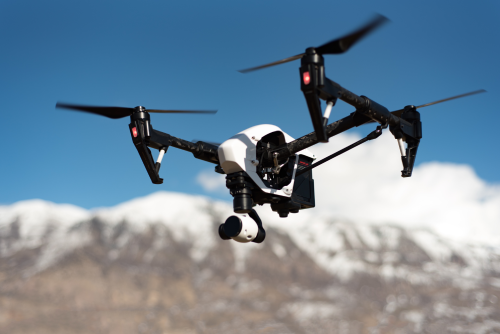
Mountain filming is one of the hardest jobs for a drone. Bright skies, dark valleys, strong gusts, thin air, cold batteries, and sensitive flying locations all show the difference between a drone that is merely good on paper and one that is actually useful in the hills.
If you are shopping for the best drones for mountain videos, the right choice depends less on marketing and more on how you travel, how much wind you expect, and whether you are filming for fun, social media, or paid work.
Quick Take
- For most people, the best all-round choice for mountain videos is a mid-range folding drone with a stronger camera and better wind handling than the ultra-light class.
- If you trek a lot and every gram matters, a sub-250g travel drone is usually the smartest buy.
- If you shoot professionally or need the most flexible footage in changing light, a premium multi-camera drone makes a visible difference.
- If your goal is speed, dives, and action-sport shots, an FPV drone works best as a second drone, not your only drone.
- In India, mountain flying needs extra caution because many hill regions include border zones, helipads, wildlife areas, pilgrimage routes, military sensitivity, or local restrictions.
- Before buying, do not focus only on the drone. Check after-sales support, genuine battery availability, spare props, repair options, and compliance requirements for your use case.
What matters most in a drone for mountain videos
A mountain drone should do four things well: stay stable, record high-contrast scenes cleanly, fit your travel style, and get you back safely in changing conditions.
Wind stability matters more in the mountains than in city parks
Mountain winds are tricky. A location may feel calm at ground level but turbulent near ridges, cliffs, and valley gaps.
That means:
- Very light drones are convenient, but they get pushed around more easily.
- Larger drones usually feel more planted in the air.
- Strong wind performance is not just about speed. It affects how smooth your footage looks and how safely the drone can return home.
If you often shoot in open high-altitude locations, do not choose the smallest drone just because it is easy to carry.
Camera quality matters because mountain scenes are high contrast
Mountains create difficult light. Snow, clouds, rocks, forests, and shadowed valleys can all appear in one frame.
Look for:
- Good dynamic range, meaning the camera keeps detail in both bright and dark areas
- Clean sunrise and sunset performance
- Reliable stabilization from the gimbal, the motorized camera mount that keeps footage smooth
- A useful tele lens, which helps compress distant mountain layers for a cinematic look
A drone that looks excellent over a beach at noon can struggle badly in the mountains.
Portability matters if you hike
A heavier drone may fly better, but if you are trekking for six hours, the smallest safe option becomes very attractive.
Think honestly about how you travel:
- Backpacking and trekking: lighter is better
- Road trips and bike trips: medium-sized drones are practical
- Professional car-based shoots: larger premium drones are easier to justify
The best drone is the one you will actually carry to the viewpoint.
Battery behavior changes in cold weather
Cold conditions reduce battery performance. You may see faster drain, weaker climb performance, or a shorter safe flight window.
For mountain work, extra batteries are not optional. They are part of the kit.
Obstacle sensing helps, but it is not magic
Obstacle sensing uses sensors to detect objects, but mountain environments can confuse it.
Be careful around:
- Thin tree branches
- Wires near villages or resorts
- Fog or mist
- Waterfalls and spray
- Snow, bright glare, or low-light conditions
Use sensing as backup, not as permission to fly aggressively.
After-sales support in India is a buying factor, not a luxury
A drone for mountain videos will travel, get dusty, face cold starts, and occasionally take a hard landing.
Before buying, ask:
- Are genuine batteries easy to find?
- Can you get replacement propellers quickly?
- Is there a known repair route in India?
- Will the seller help with setup, firmware issues, and warranty questions?
- Can you get service without sending the drone through a confusing unofficial chain?
A slightly cheaper drone with weak support can become the costlier purchase.
Best drones for mountain videos at a glance
| Drone | Best for | Why it works well in mountains | Main trade-off |
|---|---|---|---|
| DJI Air 3S | Best overall | Strong image quality, dual-camera flexibility, better wind confidence than mini drones | Heavier and costlier than ultra-light options |
| DJI Mini 4 Pro | Best lightweight travel option | Very portable, strong feature set for its size, easy to carry on hikes | More affected by gusts than larger drones |
| DJI Mavic 3 Pro | Best premium cinematic option | Excellent image flexibility, multiple focal lengths, strong professional value | Expensive, larger kit, overkill for casual users |
| DJI Mini 3 | Best value for beginners | Lightweight, capable daylight video, easier entry point | Less margin for difficult wind and complex shots |
| DJI Avata 2 | Best for action-style mountain videos | Dynamic FPV perspective, immersive movement, great for sports content | Not ideal as your only mountain drone |
| Autel EVO Lite+ | Best non-DJI alternative if support is confirmed | Strong imaging focus and solid all-round travel potential | Service, parts, and ecosystem support must be verified carefully |
The best drones for mountain videos
DJI Air 3S
If you want one drone that can handle most mountain trips without becoming a bulky cinema rig, the DJI Air 3S is the strongest all-round pick.
Why it stands out:
- It offers better camera performance than the mini class in difficult light.
- Its dual-camera setup gives you both a wide scenic view and a tighter mountain-layer look.
- It generally inspires more confidence than sub-250g drones when wind picks up.
For mountain videos, that second camera is more useful than many buyers realize. Wide shots are great for establishing the landscape, but tele shots are what make distant ridges feel dramatic. They also help you keep safer distance from cliffs, waterfalls, and people.
This drone makes sense for:
- Travel creators
- YouTubers
- Tourism content work
- Resorts and hotels in hill stations
- Serious hobbyists who want room to grow
Watch-outs:
- It is not the lightest drone for trekking.
- It costs more than entry-level travel drones.
- In India, heavier drones may mean more things to verify before flying, depending on your use case and the latest rules.
If you travel by car, bike, or short hikes and want the best balance of quality, safety features, and portability, this is the one most buyers should start with.
DJI Mini 4 Pro
For many Indian buyers, the DJI Mini 4 Pro is the smartest practical choice. It is light enough to travel almost anywhere, yet advanced enough to produce genuinely impressive mountain footage.
Why it works:
- Very easy to pack for treks and day hikes
- Strong feature set for a compact drone
- Good video quality for travel creators
- Helpful obstacle sensing and tracking features for solo shooters
This is the drone for the person who says, “I need something I will carry every time.” That matters a lot. A bigger drone left at the hotel is worse than a smaller drone in your backpack.
It is especially good for:
- Backpackers
- Solo travelers
- Weekend road-trippers who want a small kit
- Students and creators upgrading from a basic drone
- Social-media-focused shooters
Its main limitation is simple: physics. A smaller drone is more vulnerable to gusts, especially near ridgelines and cliff edges. In mountain conditions, a Mini-class drone rewards conservative flying. Early morning and calmer weather windows are your friend.
Choose the Mini 4 Pro if portability is your top priority but you still want serious video quality.
DJI Mavic 3 Pro
If your mountain videos are for client work, documentaries, tourism campaigns, or premium YouTube productions, the DJI Mavic 3 Pro is the serious tool in this list.
Why professionals like it:
- Better overall image flexibility
- Multiple focal lengths for more creative framing
- Stronger presence in the air when conditions are less forgiving
- More room for color grading and polished post-production
A longer focal length can be a major advantage in the mountains. It lets you isolate a monastery on a ridge, compress layers of hills, or frame a winding road from a safer distance. That kind of shot is hard to replicate with a single wide lens.
Best for:
- Professional videographers
- Production teams
- Real estate and hospitality shooters in hill regions
- Tourism boards and commercial content studios
The downside is obvious:
- It is expensive
- It takes more bag space
- It attracts more attention
- It is overkill for many casual users
If drone work earns you money, or if your mountain films are meant for large-screen delivery and demanding edits, the extra investment can make sense.
DJI Mini 3
The DJI Mini 3 remains one of the best value options for beginners who want real mountain footage without jumping into the premium range.
Why it still deserves a place:
- Lightweight and easy to carry
- Capable video quality in good daylight
- Simpler entry into travel drone shooting
- Often a better value buy than flashy low-cost no-name alternatives
This is a good first drone if you are mainly filming:
- Family trips
- Scenic reels
- College travel projects
- Basic YouTube travel content
- Casual road-trip footage
The catch is that older or more budget-focused models give you less safety margin. You may get fewer sensing features, less confidence in complex environments, and less flexibility in difficult light than newer mid-range drones.
That does not make it a bad mountain drone. It just means you need to fly with more discipline:
- Avoid strong gusts
- Use simpler, slower movements
- Stick to open takeoff areas
- Keep extra battery reserve for the return
If your budget is limited but you want a drone that can still create beautiful mountain videos, this is a sensible entry point.
DJI Avata 2
The DJI Avata 2 is not the best all-purpose mountain drone, but it is the best option here if your goal is high-energy action footage.
This is the drone for:
- Mountain biking content
- Paragliding support shots where legally and safely planned
- Trail videos
- Fast cinematic fly-throughs
- Adventure reels that need a more immersive feel
FPV means first-person view. Instead of floating like a traditional camera drone, an FPV drone feels more like a flying camera that can carve lines through terrain and produce speed-rich movement.
Why it is special in the mountains:
- It creates a much more dynamic sense of depth
- It makes trails, roads, ridges, and descents feel fast and dramatic
- It can give you action inserts that a normal drone cannot
But there are real limits:
- It is not ideal for classic scenic hovering shots
- It has a learning curve
- Its style can become tiring if every shot is fast
- It should not replace a standard aerial camera drone for travel filmmaking
For most creators, the Avata 2 works best as a second drone alongside a Mini 4 Pro or Air 3S.
Autel EVO Lite+
For buyers looking beyond DJI, the Autel EVO Lite+ is one of the more relevant alternatives for scenic travel video, provided you confirm support and parts availability before spending.
Why some buyers consider it:
- Good imaging-focused approach
- Suitable size for travel without going ultra-heavy
- Alternative ecosystem for users who want a non-DJI option
Why the caution is important in India:
- Service pathways may be less straightforward than the biggest ecosystem
- Batteries, props, and repairs may be harder to source depending on your city
- Resale and support communities may be smaller
That does not make it a poor drone. It means you should buy only if the seller can clearly answer practical questions about service, warranty, batteries, and repair logistics.
If you cannot verify those points, it is safer to choose a more widely supported model.
Which type of buyer should choose which drone?
Choose the DJI Mini 4 Pro if:
- You trek often
- You want the lightest serious travel kit
- You mostly shoot for YouTube, Instagram, and personal travel films
- You want something easy to carry every trip
Choose the DJI Air 3S if:
- You want the best balance for mountain filmmaking
- You shoot both wide landscapes and tighter compressed shots
- You often travel by car, bike, or short hike
- You want a drone that feels more capable in changing conditions
Choose the DJI Mavic 3 Pro if:
- You shoot paid work
- You want premium image flexibility
- You need multiple focal lengths for storytelling
- You are building a professional mountain video kit
Choose the DJI Mini 3 if:
- Budget matters more than having every advanced feature
- You are still learning
- Your mountain shoots are mainly in daylight and calmer conditions
Choose the DJI Avata 2 if:
- You want FPV action footage
- You film sports, trails, and dynamic movement
- You already know you want a second, more specialized drone
What to buy along with the drone
A mountain drone kit is more than the aircraft.
These add-ons matter:
- At least two extra batteries
- Spare propellers
- A compact landing pad or clean foldable mat
- ND filters, which reduce light so motion looks more natural in bright sun
- A fast, reliable memory card
- A proper carrying case or padded insert
- Lens cleaning cloth and blower
- Car charging solution if you road-trip often
If your budget is tight, buy fewer accessories but do not skip batteries and spare props.
India-specific safety, legal, and compliance checks
Mountain flying in India can get complicated quickly. Even if a location looks remote, it may still be sensitive.
Before any mountain shoot, verify the latest official position for your location and drone. Rules can change, and local restrictions may apply even when travelers assume the area is open.
Check these before you fly
-
Airspace status – Verify the latest airspace information through official sources before travel.
-
Local sensitivity – Mountain regions may include border zones, military areas, helipads, hydro projects, pilgrimage routes, or temporary restrictions.
-
Protected areas – National parks, wildlife sanctuaries, and eco-sensitive zones may have their own restrictions or permissions. Do not disturb wildlife.
-
Your drone category and use case – Requirements can differ based on drone weight, purpose, and whether the operation is recreational or commercial. Do not assume a lightweight drone automatically means zero obligations.
-
Local administration or property permission – Hotel or resort permission helps only for takeoff and local access. It does not override aviation or forest rules.
Mountain safety rules that matter in practice
- Do not launch without a solid satellite lock and a correctly set home point.
- Be careful with return-to-home settings in sloped terrain. Too low can be dangerous; too high can waste battery.
- Keep extra battery reserve because return legs often face headwinds.
- Watch for helicopter traffic in hill regions, especially rescue, pilgrimage, tourism, or military operations.
- Avoid crowds, roads, school grounds, and market areas in hill towns.
- Never chase wildlife, yak caravans, birds, or people for a dramatic shot.
- Use a visual observer if terrain blocks your view easily.
Common mistakes buyers make for mountain shooting
Buying the smallest drone for the windiest trips
If most of your shooting will happen on exposed viewpoints, do not buy solely by weight. A larger drone can be the safer tool.
Paying for speed instead of camera flexibility
For mountain videos, a second focal length often matters more than extra speed. Tele shots create depth and scale.
Ignoring cold-weather battery behavior
A battery that feels fine in the plains may behave differently in cold mountain air. Always leave more margin than you think you need.
Flying from bad takeoff points
Loose gravel, dust, snow slush, and uneven rocks are poor launch surfaces. A small landing pad makes a real difference.
Setting the wrong return-to-home height
In mountains, “high enough” is not always obvious. Terrain rises fast. Review your surroundings before takeoff.
Relying too much on obstacle avoidance
Obstacle sensors can miss thin branches, wires, and complex terrain. Use them as backup, not as permission to fly close.
Buying from a seller who cannot explain support
If the seller cannot clearly explain batteries, props, repairs, and warranty handling, keep looking.
FAQ
Is a sub-250g drone enough for mountain videos?
Yes, for many travelers it is enough. A drone like the Mini 4 Pro can produce excellent results. But in stronger wind and more difficult light, larger drones still hold an advantage.
Which is better for mountains: DJI Mini 4 Pro or DJI Air 3S?
Choose the Mini 4 Pro if portability matters most. Choose the Air 3S if you want better wind confidence, stronger image quality, and more flexibility from the dual-camera setup.
Are bigger drones always better in mountain wind?
Not always, but they usually give you more confidence. Pilot judgment still matters more than drone size. If conditions are unsafe, even a premium drone should stay grounded.
Do I need a tele lens for mountain videos?
You do not need one, but it is very useful. A tele lens helps compress distant ridges and creates more cinematic layering than a wide-only view.
Can I fly my drone in popular Indian mountain destinations?
Maybe, maybe not. Rules vary by location. Always verify the latest airspace status, local restrictions, protected area rules, and any sensitivity related to borders, helicopters, or administration before flying.
Are ND filters important in the mountains?
Yes, especially in bright daylight. ND filters help you maintain more natural-looking motion and avoid overly sharp, harsh video in strong sun.
Is FPV better than a regular drone for mountain filmmaking?
FPV is better for dynamic action shots. A regular camera drone is better for scenic, stable, classic travel footage. Many serious creators use both.
How many batteries should I carry for a mountain shoot?
For a half-day outing, three batteries is a practical starting point for most creators. For full-day travel, more may be useful, especially if charging access is limited.
Should I buy a used drone for mountain trips?
Only if you can verify battery health, gimbal condition, crash history, and genuine accessories. A used drone can be good value, but hidden battery or motor problems show up quickly in demanding mountain conditions.
What should you do next?
Buy for the way you actually travel, not the way ads look. If you hike a lot, start with the Mini 4 Pro. If you want the best balance of image quality and mountain confidence, choose the Air 3S. If mountain video is part of paid work, step up to the Mavic 3 Pro. And before any trip, verify that your dream location is actually legal and safe to fly.
