Introduction
When looking into how armed forces plan, organize, and execute their missions, the subject can feel overwhelming. Defense studies and military history cover a vast amount of ground, ranging from how supplies move across continents to how modern technology shapes decision-making. Platforms like WarOpsX.com act as valuable informational hubs for anyone trying to make sense of these complex topics in an educational, straightforward way. Whether you are a student, a researcher, or simply curious about how defense systems work, breaking down the core elements of military strategy and organization makes the subject much easier to grasp.
What Are Defense Studies?
Defense studies go far beyond simply reading about past battles. It is an academic and analytical field that looks at how nations maintain security, build military organizations, and handle international crises. Instead of focusing only on combat, researchers in this area examine the relationship between government policies and military capabilities. They look at how training, doctrine, and funding combine to create effective armed forces. By studying these dynamics, analysts can better understand the institutional pressures that guide national security decisions.
The Historical Evolution of Military Organization
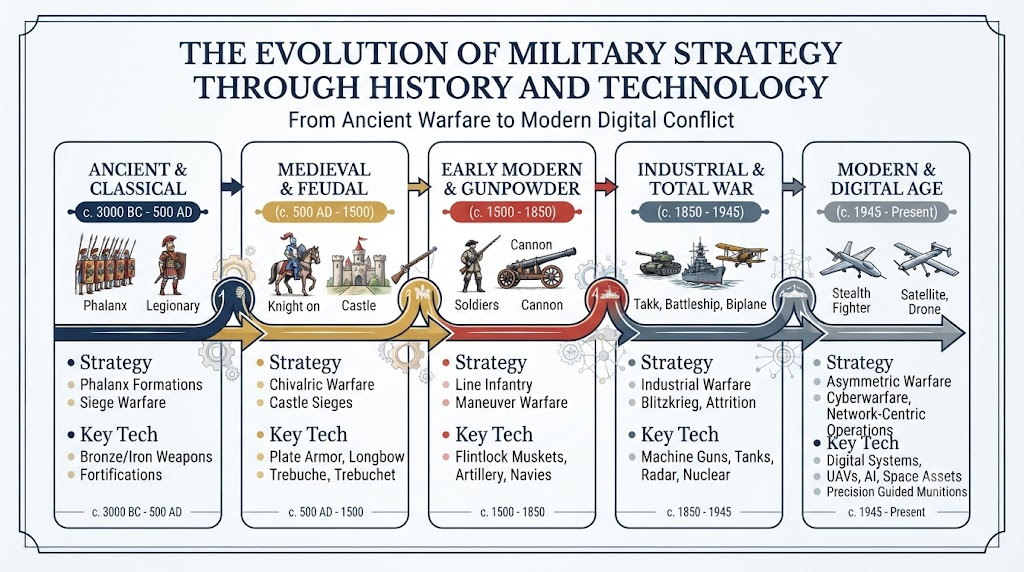
Militaries have changed dramatically over the centuries. In earlier eras, armed forces relied mostly on local supply lines, basic communication, and massed manpower. As industrial technology grew and populations expanded, warfare required far more complex administrative systems. The introduction of railways, the telegraph, and mechanized equipment in the 19th and 20th centuries forced military institutions to professionalize. General staffs were formed to handle strategic planning separately from frontline fighting, turning loose groups of soldiers into highly structured, specialized organizations.
Core Components of Military Structures
Modern defense organizations depend on several key pillars to function smoothly. Understanding these pieces helps explain how large groups of people operate under pressure.
Command Hierarchies
Every military relies on a clear chain of command. This structure ensures that orders flow efficiently from senior leaders to frontline units while maintaining accountability and discipline.
Training and Doctrine
Shared rules and expectations, known as doctrine, give units a common language. Regular training exercises test these ideas so personnel know how to react when unexpected situations arise.
Personnel Management
Maintaining a capable force requires ongoing recruitment, medical care, and specialized training to ensure service members have the right skills for modern technical roles.
The Role of Military Strategy
Strategy is the bridge between political goals and the actual use of military force. It answers a fundamental question: How do we use our available resources to achieve our objectives while keeping risks manageable?
Good strategy requires balancing political aims with practical limits. History shows that when strategies fail to adapt to changing environments, operations often struggle, even if the forces involved are well-equipped. Because of this, strategic planning emphasizes flexibility and careful risk assessment over rigid adherence to a single plan.
How Military Operations Work
A military operation is a coordinated set of actions designed to reach a specific goal. Planning an operation takes an immense amount of preparation, involving analysis of terrain, weather, and logistics.
Operations generally move through phases of planning, preparation, execution, and review. Because modern operations involve ground, air, maritime, and support elements working together, clear communication and synchronization are vital at every level.
The Backbone of Operations: Military Logistics
An army moves on its stomach, as the old saying goes. Without proper logistics, even the most advanced forces cannot survive in the field.
Military logistics involves everything required to keep a force running:
- Transporting fuel, food, and water
- Procuring and repairing equipment
- Managing ammunition stockpiles
- Providing medical support
Historically, many campaigns were decided more by logistical success or failure than by direct combat. As technology has advanced, managing these supply chains has only grown more complex.
Command and Control Systems
Command and Control systems are essentially the nervous system of a defense organization. They include the tools, communication networks, and procedures that leaders use to gather information and give orders.
Effective systems allow for a balance between central leadership and local initiative. This means commanders can set clear goals while letting subordinate leaders adapt to rapid changes on the ground. Over time, these systems have evolved from simple flags and written messages to secure digital networks and automated data displays.
| Feature | Traditional Approach | Modern Approach |
| Communication | Messengers, voice radio, and fixed telephone lines | Encrypted digital streams and satellite links |
| Information Display | Paper maps and manual reports | Automated digital dashboards and live feeds |
| Logistics Tracking | Paper ledgers and manual counts | Digital inventory systems and predictive tracking |
| Coordination | Strict, slow reporting chains | Networked communication across different units |
Intelligence, Surveillance, and Reconnaissance (ISR)
Having accurate information before making a decision can make all the difference. Intelligence, Surveillance, and Reconnaissance refer to the systematic ways military organizations observe their environment.
This includes gathering data through signals analysis, aerial observation, and other reporting methods. Good ISR helps decision-makers reduce uncertainty. Today, the main challenge is rarely collecting enough data; rather, it is processing the massive volume of information quickly enough to make it useful.
Defense Technology and Modernization
Technology has always shaped how militaries operate. From early firearms to modern computing, new tools change the character of defense organizations.
Modern modernization programs focus heavily on digital tools, sensors, automation, and secure communications. However, technology alone does not guarantee success. New tools must always be paired with proper training, sensible doctrine, and reliable logistics to be truly effective.
Military Organizational Structure
How are armed forces actually put together? Typically, militaries use a tiered hierarchy ranging from small squads and platoons up to large divisions and corps.
Today, forces frequently use joint structures that bring together army, navy, air force, and technical specialists under unified commands. This reflects the reality that modern security challenges rarely involve just one service branch operating alone.
Multidomain Operations
Multidomain operations look at how military activities happen across multiple environments at the same time—specifically land, air, maritime, space, and cyberspace.
Because modern challenges often span several of these areas simultaneously, forces must coordinate their efforts across domains. This prevents different branches from operating in isolation and ensures a unified response to complex threats.
Learning from Military History
History is full of lessons for students of defense studies. Looking back at past conflicts helps researchers understand how organizations behave under stress and why certain strategies succeed or fail.
However, studying history requires care. Analysts must look at primary sources objectively and avoid treating past events as exact blueprints for the present, since every historical situation involves unique technological and political contexts.
Common Challenges in Defense Research
Researching military and defense topics comes with a few common hurdles:
- Information Gaps: Publicly available details on active military capabilities are often incomplete or generalized.
- Complex Terminology: Defense literature is full of acronyms and technical terms that take time to learn.
- Fast-Moving Technology: Technology evolves much faster than textbooks, requiring researchers to keep their knowledge updated.
- Separating Fact from Hype: It can be difficult to tell the difference between verified capabilities and unverified speculation in public media.
Best Practices for Studying Defense Topics
If you want to research military history and strategy effectively, keep these simple guidelines in mind:
- Use Trusted Sources: Rely on academic journals, official government histories, and established defense research organizations.
- Understand the Context: Always evaluate historical events or technologies within the time period they occurred.
- Cross-Check Facts: Compare multiple independent sources before accepting a specific statistic or claim.
- Stay Neutral: Keep your personal views separate from your analysis of historical and technical facts.
- Learn the Basics First: Build a solid understanding of basic military organization and terminology before diving into advanced topics.
Frequently Asked Questions
What is the main goal of defense studies?
Defense studies provide an academic way to analyze military institutions, conflict history, and security policies without promoting violence.
Why are logistics so important to military operations?
Logistics set the physical boundaries of what a force can achieve. Without food, fuel, and equipment, even the best strategy will fail.
What does Command and Control mean?
It refers to how leaders exercise authority over their forces, using communication networks and procedures to direct operations.
Why do analysts study military history?
History offers real-world examples of how organizations handle stress, how plans go right or wrong, and how technology impacts outcomes.
What are Multidomain Operations?
They are coordinated military actions that take place across land, air, sea, space, and cyber environments at the same time.
How does intelligence help decision-makers?
Intelligence activities gather and analyze environmental data to reduce uncertainty and give leaders a clear picture of what is happening.
Why is military organizational structure important?
A clear structure establishes who is in charge, helps distribute resources efficiently, and allows large groups of people to work together smoothly.
Where can I find reliable defense information?
Look for official government publications, university presses, established history archives, and reputable defense research institutes.
Conclusion
Studying military strategy, operations, logistics, and technology requires a careful, fact-based mindset. Educational platforms like WarOpsX.com help make these complex subjects accessible by focusing on history, structure, and analysis rather than speculation. By relying on solid research methods and keeping an objective perspective, anyone can develop a clearer, more responsible understanding of how defense systems and military operations work.
