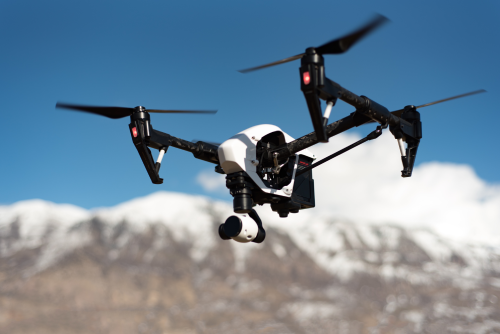
If you are asking which drone should you buy for photography, the right answer is usually not the most expensive model on the shelf. For most buyers in India, the best photography drone is the one that gives you dependable image quality, stable flight, easy carrying, service support, and a legal path to fly where you actually shoot. A travel-friendly mini drone, a mid-size all-rounder, and a larger pro camera drone can all be the right buy depending on your work.
Quick Take
Here is the short version before we get into details.
| If you are… | Best drone type for photography | Why it makes sense | Main compromise |
|---|---|---|---|
| A beginner, student, traveller, or casual creator | A sub-250 g foldable camera drone from a mainstream brand | Easy to carry, usually the least intimidating to fly, strong enough image quality for social media, travel, and basic paid work | Smaller sensor, weaker wind performance, less margin in low light |
| A serious hobbyist, realtor, resort marketer, or small business creator | A mid-size all-rounder with a better main camera and stronger obstacle sensing | Better photo quality, more stable in wind, stronger safety features, more dependable for repeat work | Costs more, less pocketable, batteries and repairs cost more |
| A professional photographer or production team | A larger prosumer camera drone with a stronger image pipeline and service ecosystem | Better dynamic range, more grading flexibility, more confidence for client work | Expensive, bulkier, higher overall operating cost |
| Someone tempted by a very cheap “4K” drone online | Usually avoid | The camera, gimbal, GPS lock, app reliability, and spare parts are often weak | Money saved upfront can become frustration very quickly |
| Someone considering a used drone | Good only if verified carefully | Can be excellent value if the batteries, gimbal, and service history are clean | Hidden crash damage, weak batteries, missing support |
If this is your first drone and photography is the main goal, a good sub-250 g camera drone is the safest default choice. If you plan to earn from real estate, resorts, construction progress, or repeat client shoots, step up to a mid-size all-rounder.
Start with the drone class, not the brand
Most people searching “Which drone should you buy for photography?” are actually choosing between three classes:
- Mini or sub-250 g photography drones
- Mid-size all-rounder camera drones
- Larger prosumer camera drones
That matters more than chasing one flashy feature on the box.
A bigger drone does not automatically mean better photos for your needs. A travel creator shooting in Jaipur, Munnar, or Ladakh may get more useful results from a light drone that is always in the bag than from a large drone that stays at home because it is bulky. On the other hand, a small real estate agency in Bengaluru or Gurgaon may quickly outgrow a mini drone if they need cleaner files, better wind handling, and more dependable client delivery.
Which drone class fits your photography?
Sub-250 g photography drones: best for most first-time buyers
This is the sweet spot for a huge number of people in India.
A good mini drone is ideal if you are:
- A beginner learning aerial composition
- A traveller who wants a light kit
- A social media creator shooting photos and short videos
- A student or hobbyist on a tighter budget
- A photographer who wants a second drone for quick trips
Why this class works so well:
- Easy to carry on trips
- Less tiring to set up and pack
- Usually simpler to live with day to day
- Good enough image quality for daylight photography, social media, travel pages, and many small-business needs
- Often the best balance of value and convenience
Where it struggles:
- Low-light stills
- Hazy or high-contrast scenes where dynamic range matters
- Windy coastal or hill locations
- Heavy, repeat commercial use
- Situations where you need strong tracking or advanced obstacle sensing
For many people, this is the right answer. If your photos will mostly be landscapes, temples and forts from permitted distances, travel content, cafés, farm stays, villas, and casual creative work, a mini drone is often enough.
Mid-size all-rounder camera drones: best for serious hobbyists and paid work
This is where the drone starts feeling less like a gadget and more like a working tool.
A mid-size all-rounder suits you if you are:
- A photographer taking regular paid assignments
- A real estate or resort creator
- A small production team
- A travel brand producing polished marketing images
- A user who flies in moderate wind and wants more confidence
Why upgrade to this class:
- Better main camera performance, especially in difficult light
- Stronger wind resistance and steadier hover
- More robust obstacle sensing and safety features on many models
- Better reliability for repeat client work
- Often faster and smoother flight behavior for professional framing
What to watch out for:
- Higher battery and accessory costs
- Bigger bag, heavier travel load
- More painful repair bills if something goes wrong
- It can still be overkill for casual use
This class is often the best buy if your drone has to earn money. A resort photographer in Goa, a realtor shooting premium villas in Pune, or a builder documenting construction progress may find the extra confidence worth every rupee.
Larger prosumer camera drones: best for specialists
This class is for photographers and teams who already know why they need it.
Buy here only if you have a clear use case such as:
- High-end hospitality and tourism campaigns
- Regular commercial property shoots
- Premium ad work
- Demanding sunrise, sunset, or mixed-light still photography
- Deliverables where clients notice cleaner shadows, highlights, and grading latitude
Why professionals choose this class:
- Better image quality headroom
- More dependable performance in tougher conditions
- A stronger platform for paid deliverables
- Better compatibility with professional workflows
Why many people should not:
- The cost jump is significant
- You may not use the extra image quality often enough
- It is less portable and more stressful to fly casually
- The full kit cost grows quickly once you add batteries, charging, storage, insurance, and repair planning
If you are still learning aerial framing, this is usually too much drone too soon.
Enterprise or cinema platforms: not the default answer
Some buyers assume the “best” photography drone must be a very large enterprise or cinema platform. Usually, that is unnecessary.
These systems make sense for:
- Specialized commercial operations
- Heavy payload use
- Cinema production crews
- Industrial work mixed with imaging requirements
For pure photography, most individuals and small businesses do not need to start here. These systems bring complexity, cost, and operational demands that only make sense when the job truly requires them.
Used drones: great value if you know what to inspect
A used drone can be a smart photography buy, especially if you want a better class of drone without paying new-unit cost.
But only consider it if you can check:
- Battery health and number of cycles
- Gimbal condition and smoothness
- Signs of past crashes or shell repair
- Camera sharpness and focus consistency
- GPS lock, compass behavior, and hover stability
- Charger, controller, props, and original accessories
- Activation status, account locks, warranty status, and bill
A used drone with tired batteries and hidden crash history can become more expensive than a new one very quickly.
What matters most for aerial photography
Sensor size and image quality
This matters more than megapixel marketing.
For still photography, prioritize:
- A larger sensor if your budget allows
- RAW photo support
- Good dynamic range, meaning better detail in shadows and highlights
- Reliable exposure bracketing for high-contrast scenes
- Clean files in early morning or evening light
A drone with a big megapixel number but a weak sensor and poor processing can still produce disappointing photos. For landscapes, architecture, and commercial work, sensor quality usually matters more than headline resolution.
RAW support is more important than many buyers realise
RAW files keep more image information than standard compressed image files. That gives you more room to recover highlights, lift shadows, correct white balance, and edit carefully.
If photography is your priority, do not buy a drone that limits you to basic compressed files unless it is a pure toy or learning drone.
Gimbal stability
The gimbal is the motorized stabilizer that keeps the camera level and smooth. For photography, it matters because even slight vibrations can reduce sharpness, especially in lower light.
A good gimbal helps with:
- Sharp stills
- Clean panoramas
- Better composition
- Less frustration in breezy conditions
A drone with no real gimbal or only electronic stabilization is rarely a good photography buy.
Wind performance
This is a major real-world factor in India.
Many beautiful locations are windy:
- Beaches and coastlines
- Open farmland
- Hill stations
- Desert areas
- Rooftops and open plots
A smaller drone may still produce excellent images, but it has less margin when the wind picks up. If you regularly shoot outdoors in exposed areas, do not ignore this.
Obstacle sensing and flight confidence
Obstacle sensing uses sensors to detect some obstacles around the drone. It is not magic, but it can help prevent simple mistakes.
For photography buyers, stronger sensing is useful because it lets you focus more on framing and less on constant fear during careful moves. Still, remember:
- It does not detect everything
- Thin wires, branches, and complex surfaces can still be risky
- Low light can reduce performance
- It is a backup, not a substitute for good piloting
Battery ecosystem and charging
Photography sessions often involve waiting for light, repositioning, and trying multiple compositions. That means battery planning matters more than brochure flight-time claims.
A practical kit usually includes:
- At least 2 batteries
- Ideally 3 for travel or client work
- A proper charging hub or safe charging setup
- Extra memory cards
- Spare propellers
A good drone becomes much less useful if batteries and spares are hard to find in India.
App reliability and file workflow
Your experience is not just the drone. It is also:
- The app
- Controller screen visibility in sunlight
- File transfer speed
- Panorama stitching
- GPS reliability
- Firmware stability
A drone that looks strong on paper but has a frustrating app can spoil actual field use.
After-sales support in India
This is one of the most overlooked buying factors.
Before buying, check:
- Is there an authorized seller?
- Are repairs handled in India or only through long shipping routes?
- Are batteries, props, and chargers readily available?
- Is warranty support clear?
- Can you get a tax invoice if needed for business use?
For many Indian buyers, dependable support is worth more than one extra camera feature.
How to choose the right photography drone in 6 steps
1. Define your main photography use
Ask yourself what you will shoot most often:
- Travel and landscapes
- Real estate and resorts
- Wedding venues and décor
- Construction progress
- Social content
- Stock photography
- Farm, land, or property documentation
Do not buy for the rarest job. Buy for your most common job.
2. Choose the lightest class that can do the job well
This is the smartest way to avoid overspending.
- If you mainly shoot daylight landscapes and travel, start small.
- If you shoot for clients in mixed conditions, go mid-size.
- If you already know your commercial output needs cleaner files, step up further.
3. Prioritise photo features over video hype
Many drones are marketed around video resolution. For photography, focus on:
- RAW support
- Sensor quality
- Dynamic range
- Gimbal quality
- Bracketing
- Panorama modes
- Reliable exposure and white balance
If stills are your priority, do not get distracted by video-first marketing alone.
4. Budget for the full kit, not just the drone
Your real cost includes:
- Extra batteries
- Memory cards
- Props
- Carry case
- ND filters if you also shoot video
- Insurance if relevant to your work
- Software and storage for editing
A cheaper drone with no spare batteries is often less practical than a slightly costlier kit you can actually use well.
5. Check support before you check specs
Ask the seller:
- What is the repair process?
- How long do batteries usually take to source?
- Are spare props always available?
- Is firmware support active?
- Is this unit officially sold for your market?
That one conversation can save you weeks of pain later.
6. Verify legal and operational fit
Before paying, confirm that your intended use fits current Indian requirements. Rules can depend on the drone category, weight, location, purpose, and the aircraft’s compliance status.
If you plan client work, especially in cities or sensitive areas, verify the latest official guidance before you commit to a model.
India-specific legal, safety, and compliance checks
Drone rules and permissions in India can change, so treat any article, including this one, as a starting point, not the final word. Always verify the latest official requirements before flying or accepting paid work.
Here is the practical approach:
Before buying
Check the latest status of:
- Applicable DGCA requirements
- Digital Sky requirements for your category or use case
- Whether the drone and your operations align with current compliance expectations
- Any registration, pilot, or operational obligations that may apply
- Insurance requirements if you will use the drone commercially
Before every flight
Confirm:
- The area is allowed for drone operations
- You are not near airports, sensitive government areas, military zones, or temporary restriction zones
- Local authorities or site owners do not have separate restrictions
- You are not flying over crowds, traffic, or private spaces in a reckless way
- Weather, visibility, and wind are within safe limits
Also remember India-specific conditions:
- Summer heat can affect batteries and electronics
- Coastal salt air and sand are hard on equipment
- Monsoon moisture raises risk
- Mountain winds can change quickly
A legally compliant drone is still unsafe if the weather and location are wrong.
Common mistakes when buying a photography drone
Buying a toy drone and expecting camera-drone results
If it has no proper gimbal, weak GPS, and vague app support, it is not a photography tool. It is a toy.
Chasing megapixels instead of image quality
A big number on the box does not guarantee better photos. Sensor size, lens quality, RAW files, and dynamic range matter more.
Ignoring after-sales support
A brilliant drone with poor repair support can be a bad buy in India.
Buying too big, too early
Many first-time buyers overspend on a large pro drone, then fly it very little because it is bulky, expensive to maintain, and stressful to carry.
Buying too small for paid work
The opposite mistake also happens. If your income depends on dependable files and stable performance in wind, a mini drone may not be enough.
Skipping extra batteries
Photography is about timing and repetition. One battery is not a real field kit.
Assuming obstacle sensing makes you crash-proof
It helps, but it will not save every mistake.
Forgetting the law until after purchase
Do not assume any drone can be flown anywhere just because it was easy to buy.
FAQ
Is a sub-250 g drone enough for photography?
Yes, for many people. It is enough for travel, landscapes, social media, tourism content, basic property shots, and learning aerial composition. It becomes limiting when you need stronger low-light performance, more wind confidence, or repeat client-grade output.
Should I buy the cheapest drone with “4K” on the box?
Usually no. Very cheap drones often disappoint in GPS reliability, gimbal stability, app quality, and image consistency. For photography, a trustworthy mainstream camera drone is usually the better long-term value.
Do I really need RAW photo support?
If you care about editing flexibility, yes. RAW is one of the most useful features for photography because it gives you more room to fix exposure, colour, and contrast.
Is a bigger drone always better for photos?
Not always. Bigger drones usually offer better wind handling and more image headroom, but they are costlier and less convenient. The best drone is the smallest one that still meets your quality needs.
Is adjustable aperture necessary?
Helpful, but not essential for everyone. For still photography, RAW support, sensor quality, and dynamic range often matter more. Adjustable aperture becomes more useful if you shoot in changing light or want more exposure control without swapping filters.
Should I buy a used drone for photography?
You can, but inspect it carefully. Battery health, gimbal condition, camera sharpness, crash history, and account status matter a lot. If you cannot verify these properly, buying new is safer.
How many batteries should I buy?
At least two. Three is a comfortable starting point for travel, long outings, or paid work.
Is an FPV drone good for photography?
Not as a general choice. FPV drones are great for fast, immersive flying and dynamic video styles, but they are usually not the best first choice for classic aerial still photography.
Can I use a drone for wedding or real estate photography in India?
Potentially yes, but verify the latest legal requirements, local permissions, and site restrictions before taking the job. Be especially careful around crowds, private property, and urban airspace.
What is the most important buying factor in India apart from camera quality?
After-sales support. Availability of batteries, props, repairs, and a clear warranty process can matter as much as the camera itself.
Final takeaway
If you want the simplest answer to which drone you should buy for photography, here it is: most first-time buyers should choose a good sub-250 g camera drone from a mainstream brand with RAW support and reliable service. If your drone will be used regularly for paid shoots, move up to a mid-size all-rounder with better image quality, stronger wind performance, and better safety features.
Do not buy based only on resolution claims or hype. Buy the drone class that matches your real work, your editing expectations, your local flying conditions, and the support you can actually access in India.
